2026 Digital Trends: What Your Agency Needs to Know
The digital landscape is entering a new phase. Rapid advances in AI, evolving consumer expectations, and tightening data regulations are reshaping how brands connect with audiences. For agencies, staying competitive in 2026 will depend on how well they understand and adapt to these shifts.
At Ptech Group (Ptech), we work closely with businesses navigating digital change — and one thing is clear: the agencies that win in 2026 are those that prepare early, not react late.
This article explores the most important digital marketing trends in 2026 and what agencies need to prepare for now to remain relevant, trusted, and effective.
Why 2026 Will Be a Turning Point for Digital Marketing
The past few years have accelerated digital adoption, but 2026 represents a shift from experimentation to maturity and accountability.
Brands are no longer asking “Should we go digital?” — they are asking “Which digital strategies actually drive impact?”
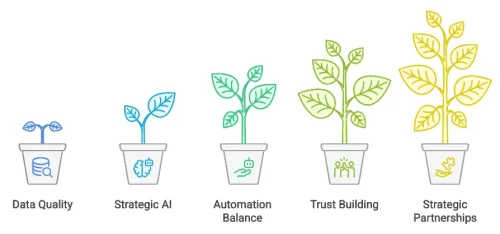
Agencies that succeed in 2026 will be those that:
- Prioritise data quality over volume
- Use AI strategically, not blindly
- Balance automation with human insight
- Build trust through transparency and value-driven marketing
This is where many brands start seeking strategic partners — not just service providers — to help align digital activity with real business outcomes.
Preparing your agency or brand for digital marketing in 2026?
Ptech helps businesses align strategy, data, AI, and brand to stay competitive as digital expectations evolve.

AI Moves From Tool to Strategy
Artificial intelligence is no longer just powering ad automation or content suggestions. In 2026, AI becomes a strategic layer across the entire marketing ecosystem.
What’s changing
- AI-driven audience segmentation replaces static personas
- Predictive analytics inform media planning and budget allocation
- Generative AI supports ideation, but human oversight remains essential
What agencies need to know
Agencies must shift from using AI to governing it — understanding where AI adds value, where it introduces risk, and how to maintain brand consistency and ethical standards.
At Ptech, we often see that AI performs best when paired with strong strategy, clear brand guidelines, and experienced human decision-making.
Privacy-First Marketing Becomes the Default
With the decline of third-party cookies and growing consumer awareness around data usage, privacy-first digital marketing is no longer optional.
Key developments
- First-party data becomes the most valuable asset
- Consent-based data collection is expected, not exceptional
- Platforms reward brands with transparent data practices
Implications for agencies
Agencies will need to:
- Help clients design ethical data collection journeys
- Build strategies around CRM, email, loyalty, and owned channels
- Rethink targeting and attribution models
Many businesses are now reassessing their digital foundations — from website architecture to data strategy — to ensure long-term compliance and performance.
Search Evolves Beyond Keywords
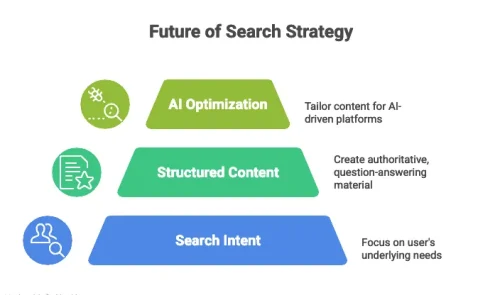
Search behaviour is changing rapidly. By 2026, discovery is no longer limited to traditional search engines.
What’s driving the change
- Conversational AI and generative search experiences
- Voice search and multimodal queries (text + image + video)
- Answer-driven search results replacing simple rankings
What agencies should focus on
- Search intent over keyword density
- Structured, authoritative content designed to answer questions
- Optimisation for AI-powered search and discovery platforms
This is one of the areas where Ptech supports brands by aligning SEO, content, and technical strategy — ensuring content remains discoverable as search evolves.
Content Quality Beats Content Volume
The era of publishing content “for the algorithm” is fading. In 2026, content effectiveness matters more than output.
Trends shaping content marketing
- Fewer but deeper pieces of content perform better
- Expertise, experience, and originality are prioritised
- Repetitive, generic content loses visibility
Agencies that invest in strategic content frameworks — rather than ad-hoc production — will see stronger engagement and longer content lifespan.
Social Media Becomes Community-Led, Not Broadcast-Led
Social platforms continue to evolve from reach-focused channels into relationship-driven ecosystems.
What’s changing in 2026
- Algorithm preference for meaningful interaction
- Growth of private communities and closed groups
- Decline of purely promotional brand content
What agencies should rethink
- Shift from posting to facilitating conversation
- Focus on engagement quality, not follower counts
- Align content with community values and context
At Ptech, we’ve seen brands achieve stronger loyalty by treating social as a conversation channel — not just a distribution tool.
Measurement Becomes Outcome-Focused
Vanity metrics are losing relevance. Clients increasingly demand clear business impact from digital efforts.
Emerging measurement trends
- Greater emphasis on customer lifetime value (CLV)
- Cross-channel attribution models
- Real-time performance insights over static reports
Agencies that can translate performance data into clear, decision-ready insights will stand out as strategic partners rather than reporting vendors.
Brand Purpose and Consistency Matter More Than Ever
In an overcrowded digital environment, brands that stand out are those with clear identity and values.
Why this matters in 2026
- Consumers align with brands that reflect their beliefs
- Inconsistent messaging erodes trust quickly
- Purpose-driven brands enjoy stronger loyalty
This is why many businesses now turn to agencies like Ptech to ensure their brand, content, and digital channels work cohesively — not in silos.
What This Means for Agencies Heading Into 2026
To stay competitive, agencies should focus on:
- Building strategic, not just technical, capabilities
- Investing in data, AI literacy, and content expertise
- Designing systems that scale trust, not shortcuts
- Acting as long-term partners, not execution vendors
If your agency or business is reassessing its digital direction for 2026, starting with a clear strategic review can uncover gaps and opportunities early.
Conclusion
2026 will not be about chasing the next platform or tool. It will be about how well agencies integrate technology, insight, and human understanding into cohesive strategies.
At Ptech Group (Ptech), we help businesses navigate digital change with clarity — combining strategy, data, and execution to deliver sustainable growth.
Looking ahead to 2026?
If you want to understand how these digital trends could impact your brand or agency, connect with Ptech for a strategic digital consultation and start planning with confidence.
Frequently Asked Questions
AI-driven marketing, privacy-first data, evolving search behaviour, and stronger omnichannel experiences will shape 2026.
Trends impact performance, costs, and competitiveness. Agencies that adapt early gain strategic advantages.
AI will influence content creation, targeting, automation, and data-driven decision-making across channels.
Yes, but SEO will evolve with AI search, generative results, and greater emphasis on content quality and authority.
By auditing current strategies, upskilling teams, testing new technologies, and prioritising adaptable frameworks.