The Ultimate Guide on How to Promote Your E-commerce Website
E-commerce isn’t just the future — it’s the present. As digital shopping continues to dominate, having a strong online presence is no longer optional. Whether you run a boutique store or a growing enterprise, learning how to promote your e-commerce website effectively is the key to sustained success.
At Ptech Group (Ptech), we’ve helped brands across Australia and Asia scale their online businesses through data-driven e-commerce strategies — combining design, SEO, and performance marketing to convert visitors into loyal customers.
This guide will walk you through how to launch, secure, and promote your e-commerce website successfully in 2025 and beyond.

Why an E-commerce Website Matters
An e-commerce site gives your business constant visibility — it’s open 24/7, even during holidays. Unlike a physical store limited by hours or geography, your online shop can reach anyone, anywhere.
Online stores are also highly profitable. Whether you’re a small local brand or a large corporation, e-commerce helps you scale efficiently. A simple store with basic features can already generate revenue, while complex sites with advanced personalization can boost customer lifetime value.
Understanding E-commerce Website Costs
An e-commerce website can be affordable or expensive — depending on your goals, scale, and complexity.

Basic Costs:
- Website design and development
- Domain name and hosting
- E-commerce platform fees (Shopify, WooCommerce, etc.)
Hidden costs to consider:
- Maintenance: Some agencies include ongoing support; others charge monthly.
- Plugins & Apps: Many e-commerce functions (reviews, shipping, loyalty programs) require paid extensions.
- Hosting & Domain: Usually billed yearly, depending on your traffic.
- Payment Gateway Fees: Platforms like Shopify or Stripe charge 2–3% per transaction.
- Content Creation: Quality product images, videos, and descriptions require professional effort.
Pro Tip from Ptech: Always budget at least 10–15% of your total investment for ongoing maintenance and marketing — that’s what keeps your online store performing and growing.
Choose the Right E-commerce Platform
When selecting your e-commerce platform, consider your budget, scalability, and technical skills. Learn more about choosing between Magento and Shopify to find the best fit for your online business.
| Platform | Type | Pros | Ideal for |
| Shopify | SaaS | Easy setup, built-in hosting, 24/7 support | Small–medium retailers |
| WooCommerce | Open-source | Flexible, integrates with WordPress | Content-heavy stores |
| BigCommerce | SaaS | Scalable, strong analytics | Medium–large businesses |
| Magento | Open-source | Customizable, high performance | Enterprises with dev teams |
| Wix/Squarespace | Drag & Drop | Fast setup, design-focused | Creators & boutiques |
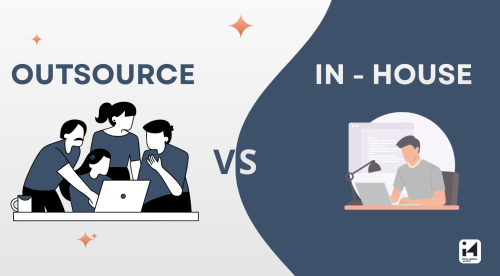
You can build it yourself using these builders or hire a professional agency. If you’re not tech-savvy, outsourcing saves time and ensures better optimization for SEO, UX, and conversion.
Keep Your Website Secure and Reliable
Security builds trust — the foundation of online shopping.

Common ecommerce security risks:
- System crashes or downtime — mitigate with reliable hosting.
- Data theft — protect with SSL certificates, encryption, and secure plugins.
- Credit card fraud — use PCI-compliant payment gateways and fraud detection tools.
Best security practices:
- SSL certificate (HTTPS)
- PCI-DSS compliance
- Regular data backups
- Two-factor authentication (2FA)
- Privacy and refund policies clearly displayed
Customers won’t buy from a site they don’t trust. Show badges like “Secure Checkout” and “Verified Payment Gateway” to increase conversions.
Optimize for User Experience (UX)
A fast, responsive, and easy-to-navigate website encourages purchases and repeat visits.
Key UX optimization tips:
- Mobile-first design: 70% of online purchases now come from smartphones.
- Simple checkout: Minimize steps and allow guest checkout.
- High-quality visuals: Use WebP format for faster loading without losing quality.
- Trust signals: Add real reviews, testimonials, and return policies.
- Speed: Use caching tools and CDNs to keep load time under 3 seconds.
Good UX not only improves conversion but also supports your SEO ranking — Google rewards sites that users enjoy.
Start SEO Early and Build Organically
Search Engine Optimization (SEO) is one of the most effective ways to promote your e-commerce website long-term.
Focus areas for e-commerce SEO:
- Keyword Research: Use intent-based keywords like “buy [product] online” or “best [product] near me.”
- On-page Optimization: Include keywords in titles, meta descriptions, alt text, and headings.
- Technical SEO: Optimize URLs, schema markup, and XML sitemaps.
- Content Marketing: Write product guides, comparisons, and FAQs.
- Backlinks: Partner with blogs, influencers, and local directories.
SEO takes time (3–6 months), but once ranked, it brings steady, high-intent traffic without ongoing ad spend.
Content Marketing: Blog and Video Strategy

Blogging for Ecommerce
A blog helps you educate users, answer questions, and attract organic traffic. For instance, a skincare brand could write “How to Build a Morning Routine” — naturally linking to its products.
Consistent, helpful content positions your brand as an industry expert and improves visibility.
Video Marketing
Videos are the most engaging format on the internet. You can create:
- Tutorials: “How to use [product]”
- Reviews: Customer testimonials
- Behind-the-scenes: Brand stories
- Unboxing & demo videos: Show product experience
Upload on YouTube, Instagram Reels, and TikTok. Keep videos short (15–60 seconds) and add captions for silent viewers.
Fact: Pages with videos convert 80% better than those without. Learn more about how to promote your video marketing campaigns effectively to boost conversions.
Social Media Promotion
Social media is a cornerstone of e-commerce website promotion. In 2025, there are over 4.8 billion active users worldwide.
Best practices:
Choose the right platform:
- Facebook & Instagram: Lifestyle and visual products
- TikTok: Short, viral content for younger audience.
- LinkedIn: B2B or professional services
Post consistently with branded visuals and CTAs.
Engage with comments and messages promptly.
Run giveaways or contests using hashtags.
User-generated content (UGC) — like customer photos or reviews — is gold. Reposting them builds authenticity and trust.
Email Marketing for Customer Retention

Email marketing offers the highest ROI — around $42 for every $1 spent (DMA).
Effective email campaigns include:
- Welcome series: Introduce your brand.
- Abandoned cart reminders: Recover lost sales.
- Birthday offers or personalized discounts.
- Post-purchase follow-ups: Ask for reviews.
Keep subject lines short and include the word “video” or “exclusive offer” to increase open rates.
Use Local Listings and Reviews
List your business on Google Business Profile (GBP), Yelp, and Yellow Pages to increase visibility in local searches.
- Add accurate business info (address, phone, hours).
- Upload real images of your store and products.
- Encourage satisfied customers to leave reviews.
Local SEO helps your e-commerce store appear in “near me” searches — a huge opportunity for hybrid online-offline retailers.
Collaborate with Influencers

Influencer marketing is one of the fastest ways to promote your e-commerce website.
How to do it right:
- Partner with micro-influencers (1K–100K followers) in your niche.
- Offer free samples or affiliate commissions.
- Track conversions using UTM links or discount codes.
Influencers help humanize your brand and reach loyal communities quickly.
Paid Advertising (Google & Social Media Ads)
Paid ads provide instant visibility and measurable ROI — perfect if you’re just starting.
Top platforms for ecommerce ads:
- Google Ads: Appear when people search “buy [product].”
- Facebook/Instagram Ads: Target interests and behaviors.
- TikTok Ads: Drive brand awareness with creative short videos.
Best practices:
- Start small and test audiences.
- Use retargeting to re-engage past visitors.
- Optimize ad creatives regularly for CTR.
Paid ads complement SEO — while SEO builds long-term growth, ads deliver quick wins.
Measure and Optimize Performance
You can’t improve what you don’t measure.
Essential metrics:
- Sessions & Users: Overall traffic.
- Conversion Rate (CR): % of visitors making a purchase.
- Customer Acquisition Cost (CAC): Total spend per customer.
- Average Order Value (AOV): Encourage bundles or upsells.
- Return on Ad Spend (ROAS): Measure paid campaign efficiency.
Use Google Analytics 4 (GA4), Search Console, and Meta Insights to analyze and adjust your strategy.
Conclusion
Building an ecommerce website is the first step. Promoting it effectively — through SEO, social media, content, and advertising — is what drives success.
At Ptech Group (Ptech), we specialize in helping brands create, optimize, and promote ecommerce websites that convert. Whether you need a new online store or want to scale your current one, our team will design a data-driven strategy to grow your traffic, sales, and brand awareness. Contact us!

Frequently Asked Questions
Use a mix of SEO, social media, email marketing, influencer collaborations, and paid ads for balanced results.
Organic growth (SEO, content) may take 3–6 months. Paid ads deliver instant traffic.
Facebook and Instagram are ideal for visuals; TikTok is great for awareness; LinkedIn suits B2B brands.
Yes, blogs improve SEO and build trust with your target audience.
Absolutely. Videos increase engagement and conversion rates significantly.
Use personalized email campaigns, loyalty programs, and post-purchase support to keep them coming back.