How to Conduct a Brand Audit: Step-by-Step Guide
I am text block. Click edit button to change this text. Lorem ipsum dolor sit amet, consectetur adipiscing elit. Ut elit tellus, luctus nec ullamcorper mattis, p
A brand audit is something many businesses postpone, usually until something feels off. Growth slows. Messaging loses clarity. The brand no longer reflects where the company is heading.
I see brand audits differently. They’re not emergency repairs. They’re routine strategic check-ups that keep a brand sharp, relevant, and aligned with business goals.
In this guide, I’ll walk through what a brand audit actually involves, why it matters for Australian businesses, and the structured ten-step approach I use when evaluating a brand properly.
ulvinar dapibus leo.
What is a Brand Audit and Why Does It Matter?
What is a brand audit?
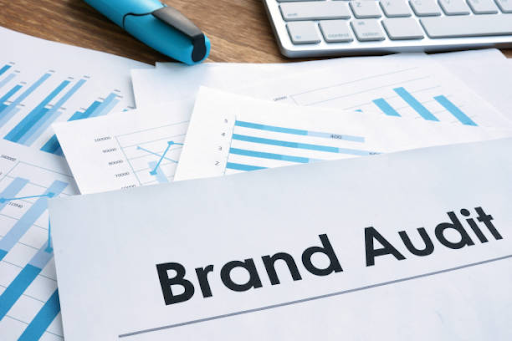
A brand audit is a systematic evaluation of how a brand performs across every critical dimension: strategy, identity, messaging, perception, and customer experience.
It’s not just about reviewing a logo or refreshing colours. A proper audit looks deeper:
- Does the brand positioning still make sense?
- Is the messaging clear and differentiated?
- Are visuals consistent and credible?
- Do customers perceive the brand as intended?
- Does the experience match the promise?
In simple terms, a brand audit compares intention vs reality.
Businesses often believe their brand communicates one thing, while the market interprets something entirely different. An audit exposes that gap.
Why brand audits are essential for business success
Brands rarely fail dramatically. They weaken gradually.
Visual inconsistencies creep in. Messaging becomes diluted. New services get added without strategic alignment. Marketing campaigns start pulling in different directions.
Over time, this creates friction:
- Confused positioning
- Reduced trust
- Lower conversion rates
- Inefficient Digital marketing performance
- Wasted spend in Web marketing, Social media ads, and PPC
A brand audit works like a diagnostic scan. It identifies small structural problems before they become expensive strategic ones.
More importantly, it highlights strengths worth amplifying because not everything is broken.
When should you conduct a brand audit?
Certain moments almost demand a brand audit.
For example:
- Growth has plateaued
- A rebrand is being considered
- The business has evolved beyond its original positioning
- Visual identity feels inconsistent
- Customer feedback suggests confusion
- Entering a new Australian or international market
- Competitors are starting to look and sound uncomfortably similar
Even without a visible problem, a periodic audit keeps the brand strategically disciplined.
10 Steps to Conducting a Comprehensive Brand Audit
Step 1: Define Your Audit Objectives and Scope
Every strong brand audit starts long before I review a logo or read a positioning statement. It starts with a deceptively simple question:
“What are we actually trying to understand?”
Without that clarity, a brand audit can quickly become a wandering exercise — interesting, maybe, but strategically useless.
Sometimes the trigger is obvious. Conversions have dipped. Growth has stalled. The brand feels dated. Other times, the reason is more proactive: preparing for expansion, validating a repositioning strategy, or aligning a rapidly evolving business.
At this stage, I focus on setting guardrails:
- What business problem are we diagnosing?
- Which parts of the brand are under review?
- Are we auditing the master brand, sub-brands, or specific offerings?
- Which markets matter: local, national, international?
- Who needs to be involved internally?
Defining scope isn’t bureaucracy. It’s protection.
It prevents the audit from becoming bloated, unfocused, or disconnected from commercial reality.
Because ultimately, a brand audit should answer business questions, not just generate observations.
Step 2: Review the Brand Foundation
Once the objectives are clear, I go back to the roots of the brand.
This is where many surprising discoveries happen.
Revisit Brand Strategy Documents
I review positioning frameworks, mission, vision, values, personas, and messaging pillars. In theory, these documents define how the brand should behave.
In practice? They’re often outdated, inconsistently applied, or quietly ignored.
Sometimes the strategy still holds up beautifully. The problem lies in execution drift.
Other times, the strategy itself no longer reflects the business’s direction or market reality.
Assess Brand Architecture
Next, I examine how the brand is structured.
Are services clearly organised?
Do sub-brands make sense?
Is the hierarchy intuitive or confusing?
Poor architecture doesn’t just create design issues; it creates customer confusion and weakens positioning.
Evaluate the Brand Promise and Value Proposition
Here’s the uncomfortable but necessary test:
Is the promise still relevant, credible, and differentiated?
Markets evolve. Competitors adapt. Customer expectations shift.
A value proposition that once felt sharp can quietly become generic.
Step 3: Analyse the Visual Brand Identity
Visual identity is often the most visible and most misunderstood element of a brand.
This isn’t about taste. It’s about consistency, clarity, and credibility.
I look closely at:
- Logo usage (variations, distortions, misapplications)
- Colour palette consistency
- Typography discipline
- Imagery style and quality
- Layout and design patterns
Then I compare how the brand appears across:
- Website
- Social platforms
- Advertising
- Sales materials
- Presentations
- Packaging
- Offline assets
A cohesive brand feels intentional.
An inconsistent brand feels improvised even when individual pieces look polished.
And inconsistency quietly erodes trust.
Step 4: Evaluate Brand Messaging and Voice
After visuals, I turn to language.
Because brands don’t just look a certain way, they sound a certain way.
I review:
- Core messages
- Taglines
- Brand story
- Tone of voice
But more importantly, I assess how these elements perform in the real world:
Is the messaging clear or cluttered?
Distinctive or generic?
Consistent or fragmented across channels?
One pattern appears frequently: brands trying to sound “professional” end up sounding indistinguishable.
When messaging loses sharpness, brands lose memorability long before they lose visibility.
Step 5: Conduct Customer Perception Research
This is where assumption meets reality.
Internal brand perception and external perception rarely match perfectly.
Survey Existing Customers
Quantitative data reveals patterns in trust levels, clarity, differentiation, and emotional connection.
Interviews & Qualitative Feedback
Conversations uncover nuance:
Why customers choose the brand, what they value, what frustrates them, and how they describe it to others.
Monitor Social Media Sentiment
Unfiltered language is incredibly revealing.
Analyse Reviews and Testimonials
Recurring themes often highlight:
- Experience gaps
- Messaging misalignment
- Unexpected strengths
What a business says about itself is branding.
What customers say is evidence.
Step 6: Assess the Digital Brand Presence
Today, a brand lives heavily online, often before a human interaction ever happens.
I evaluate:
- Website experience and brand alignment
- UX coherence
- Visual & tonal consistency
- SEO visibility
- Content quality
- Representation in Email marketing
- Paid media alignment in Social media ads and PPC
A brand can look refined in presentations yet feel fragmented digitally.
And digital friction directly affects credibility, engagement, and conversions.
Step 7: Evaluate Customer Touchpoints and Experience
Brands are experienced in moments, not guidelines.
I map the customer journey:
Awareness → Consideration → Purchase → Retention
Then I analyse:
- Consistency
- Emotional tone
- Friction points
- Sales interactions
- Customer support behaviour
- Post-purchase communication
Because no amount of polished branding can compensate for a disjointed experience.
Step 8: Analyse Competitive Positioning
Brands don’t exist in isolation. They exist in contrast.
I identify:
- Direct competitors
- Indirect competitors
- Emerging disruptors
Then assess:
How does the brand compare visually? Verbally? Strategically?
A SWOT analysis helps frame:
- Strengths to amplify
- Weaknesses to address
- Opportunities to capture
- Threats to mitigate
Often, brands don’t lack quality; they lack distinctiveness
Step 9: Review Internal Brand Alignment
A brand is only as strong as its internal understanding.
I assess:
- Employee perception
- Brand comprehension
- Cultural alignment
- Ability to articulate the brand promise
If teams interpret the brand inconsistently, customers inevitably experience inconsistency.
Step 10: Compile Findings and Create an Action Plan
Insights without action are just interesting commentary.
I organise findings by:
- Strategic impact
- Urgency
- Business relevance
Then define:
- Strengths to leverage
- Critical weaknesses
- Prioritised recommendations
- Implementation roadmap
- Ownership and timelines
Because the real value of a brand audit isn’t diagnosis. Its direction.
Conclusion
A brand audit keeps a business strategically grounded. It reveals misalignment, sharpens positioning, and strengthens consistency before issues escalate. Done properly, it’s not about criticism, it’s about clarity.
Brands evolve. Markets shift. Expectations change.
An audit ensures your brand evolves intentionally rather than accidentally.
FAQs
- How often should a business conduct a brand audit? Typically, every 12–24 months. However, timing should respond to change rather than routine alone. Rapid growth, declining performance, repositioning, mergers, or noticeable inconsistency are strong triggers. A brand audit is most valuable when the business is evolving or when results no longer match expectations.
- Can I conduct a brand audit myself, or should I hire an agency? A DIY audit works well for identifying obvious inconsistencies or early diagnostic insights. But internal teams naturally carry bias. An agency introduces objectivity, structured frameworks, competitive benchmarking, and an external perspective. The right choice depends on audit depth, complexity, and the strategic decisions attached to the findings.
- How long does a comprehensive brand audit take? For smaller businesses, around 2–4 weeks. Mid-sized organisations often require 4–8 weeks. Larger brands with multiple offerings and markets may take longer. The timeline depends on scope, research depth, stakeholder involvement, and how extensively customer perception and competitive analysis are included.