What Is Corporate Branding and How to Measure Branding Effectiveness

As a business grows, I’ve noticed something happens to the brand. What used to work, a decent logo, a few colours, a nice-looking website,e suddenly isn’t enough. The brand can’t just represent a product anymore. It has to represent the whole organisation: the leadership, the culture, the way decisions are made, and where the company is heading.
That’s where corporate branding starts to matter. Not in a “design refresh” way, but in a structural way. It shapes how people see the business as a whole, not just what it sells. I want to unpack what corporate branding really means, how it’s different from logo design or product branding, and why it becomes important when a company is preparing to grow, expand, or shift direction.
What Is Corporate Branding?
Corporate branding is the identity and reputation of the company as a whole. It reflects how the organisation presents itself to customers, partners, employees, investors, and the market.
To me, corporate branding sits across three layers:
- Who the business is – its purpose, values, and culture
- How it is positioned – what it stands for in the market
- How it is expressed – messaging, tone, and visual systems
All of this shapes how people feel about the company before they buy from it, work with it, or invest in it.
This becomes more obvious as a business grows beyond being founder-led. Early on, the founder’s personality often carries the brand. But once there are multiple teams, channels, and touchpoints, things can start to feel inconsistent. Corporate branding brings structure. It helps the business show up as one organisation, not a set of disconnected activities.
Corporate Branding vs Product Branding vs Logo Design
These terms are often confused, but they serve very different purposes.
| Type | Focus | Scope | Purpose |
| Logo Design | A visual symbol | Narrow | Visual recognition |
| Product Branding | A specific product/service | Medium | Market differentiation |
| Corporate Branding | The whole company | Broad | Reputation, trust, and long-term positioning |
A logo is one element. A product brand supports a specific offering. Corporate branding shapes how the entire organisation is perceived regardless of how many products or services it has.
As businesses grow, I often see confusion when everything is built around individual product identities. The company story gets lost. Corporate branding brings alignment back in.
Why Corporate Branding Matters for Business Growth
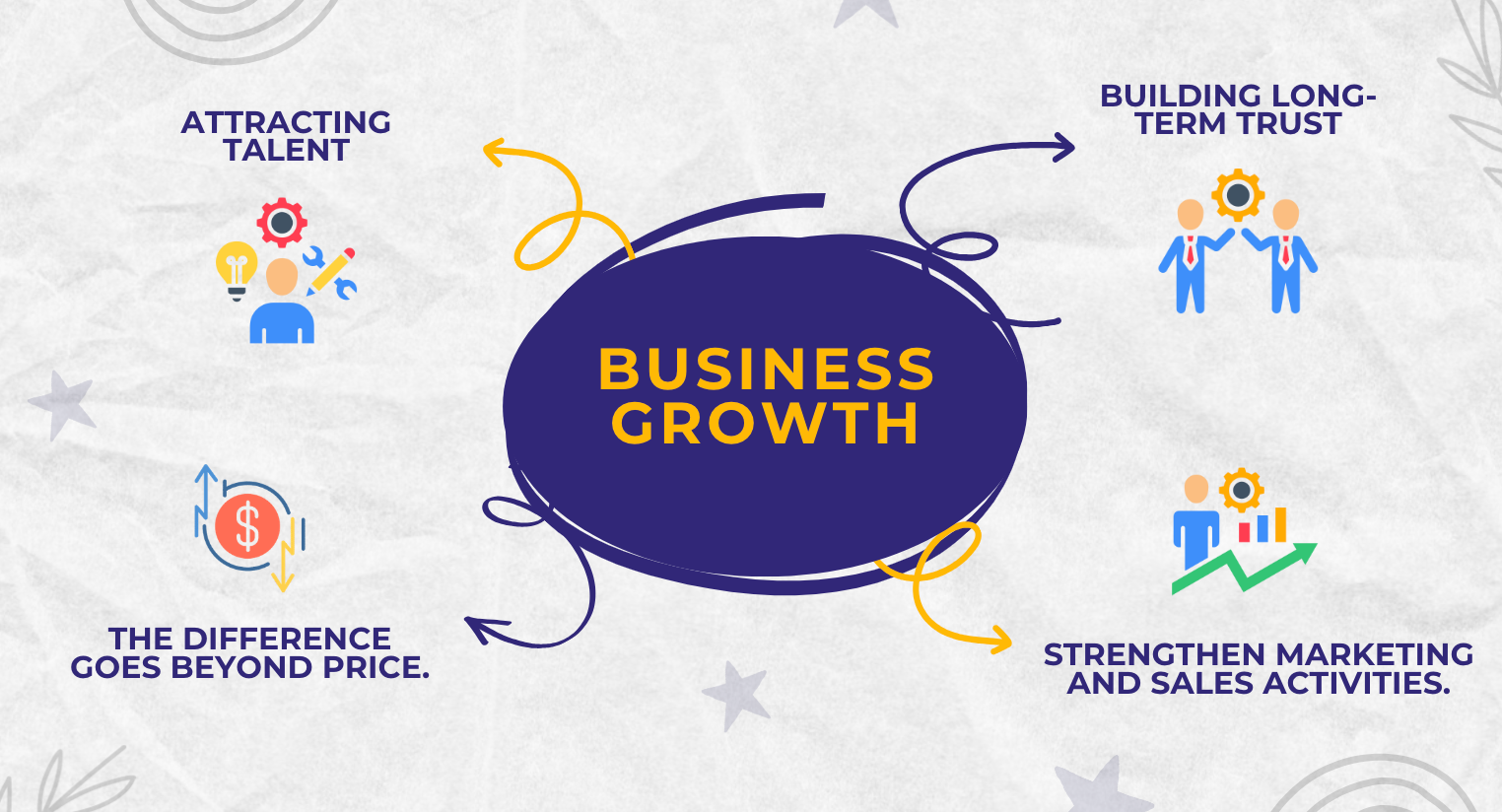
Growth always adds complexity. More people, more services, more markets. Without a clear corporate brand, the business can start to look fragmented.
Corporate branding supports growth in several ways:
- It builds long-term trust : Customers and partners prefer to work with companies that appear stable, clear, and consistent. A strong corporate identity signals professionalism and reliability.
- It strengthens marketing and sales : When messaging and positioning are aligned at the company level, campaigns become clearer. Sales teams communicate more confidently. The brand story supports conversion.
- It attracts talent : Growing businesses need skilled employees. Corporate branding communicates culture, purpose, and ambition factors that influence hiring decisions.
- It differentiates beyond price : In competitive markets, companies often look similar. Corporate branding creates distinction at a strategic level, not just through product features.
In my experience, growth isn’t usually limited by a lack of marketing activity. It’s more often slowed down by unclear positioning. Corporate branding tackles that at the root.
When Does a Business Need Corporate Branding?
Corporate branding becomes relevant when the business reaches a turning point.
- The business is scaling : More teams and markets create inconsistency. Branding must move from informal to structured.
- A rebrand is being considered : If a rebrand is being discussed, it’s often because the company identity no longer reflects where the business is heading. Corporate branding helps reset that direction.
- Expansion into new markets : If the company is entering new markets, it needs a clear story about who it is, not just what it sells.
- After mergers or strategic shifts : Structural changes often create identity confusion. Corporate branding realigns the organisation internally and externally.
It’s less about company size and more about complexity. As operations expand, identity has to evolve with them.
What’s Included in Corporate Branding Work
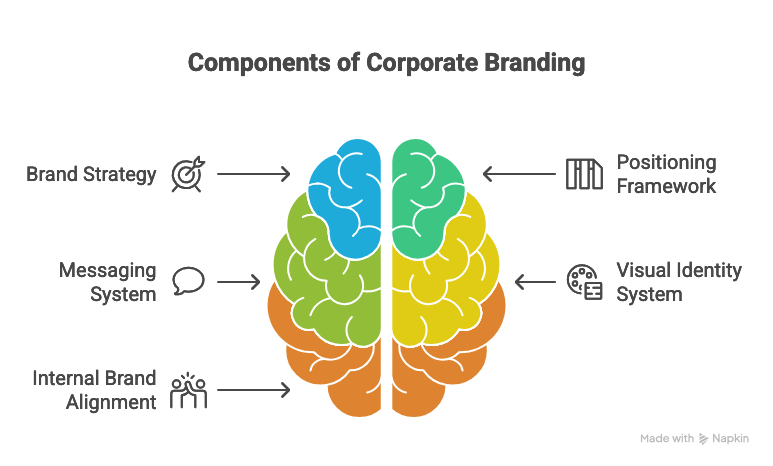
Corporate branding encompasses more than just visual elements. It typically includes the following components:
- Brand Strategy: This involves defining the brand’s purpose, positioning, and how it differentiates itself from competitors.
- Positioning Framework: This clarifies how the business is perceived in comparison to its competitors.
- Messaging System: This encompasses value propositions, tone of voice, and key narratives that convey the brand’s message.
- Visual Identity System: This includes the evolution of the logo, color schemes, typography, and other brand assets.
- Internal Brand Alignment: This ensures that all teams understand and consistently represent the brand.
Together, these elements create a comprehensive system that guides decision-making across marketing, communication, and leadership.
Conclusion
Corporate branding is not a design upgrade. It is a strategic investment that shapes how a business is understood as it grows.
When SMEs move into new stages of growth, corporate branding brings clarity, consistency, and credibility. It supports marketing, hiring, and long-term positioning.
Strong businesses aren’t built on products alone. They’re built on a clear sense of identity.
FAQs
- What is the difference between corporate branding and rebranding? Corporate branding defines the identity of the whole business. Rebranding is the process of changing or updating that identity.
- Do SMEs need corporate branding? SMEs benefit when growth creates complexity. Corporate branding helps align teams, messaging, and market positioning.
- How long does corporate branding take? It varies by scope. Strategic work and identity development typically take several weeks to months, depending on involvement and scale.