Corporate Video: Does Your Company Need One?
Video has become one of the most powerful tools in business communication. Today, corporate video production is no longer optional — it’s central to outreach, building brand awareness, and driving conversions.
Many businesses still wonder: why corporate video is important and which type of corporate video best suits their needs. In this guide, we’ll cover what corporate videos are, their types, and how to decide which is right for your business.
What Is a Corporate video?
A corporate video is content created by a company or organisation to highlight its brand, services, people, or values. Unlike traditional ads, corporate videos serve multiple purposes across the customer journey — from awareness to engagement to purchase.
- Common uses of video production for corporate include:
- Company profile videos
- Client testimonial videos
- Recruitment and culture videos
- Commercials and promotional content
- Corporate training and explainer videos
- Event and milestone videos
According to Wyzowl’s 2024 State of Video Marketing Report, 91% of businesses now use video as a marketing tool, and 92% of marketers say video gives them a positive ROI. (Wyzowl, 2024)
Corporate Video vs. Image Content
Images remain important — quick, affordable, and easy to consume. Infographics, GIFs, and product images deliver fast impressions.
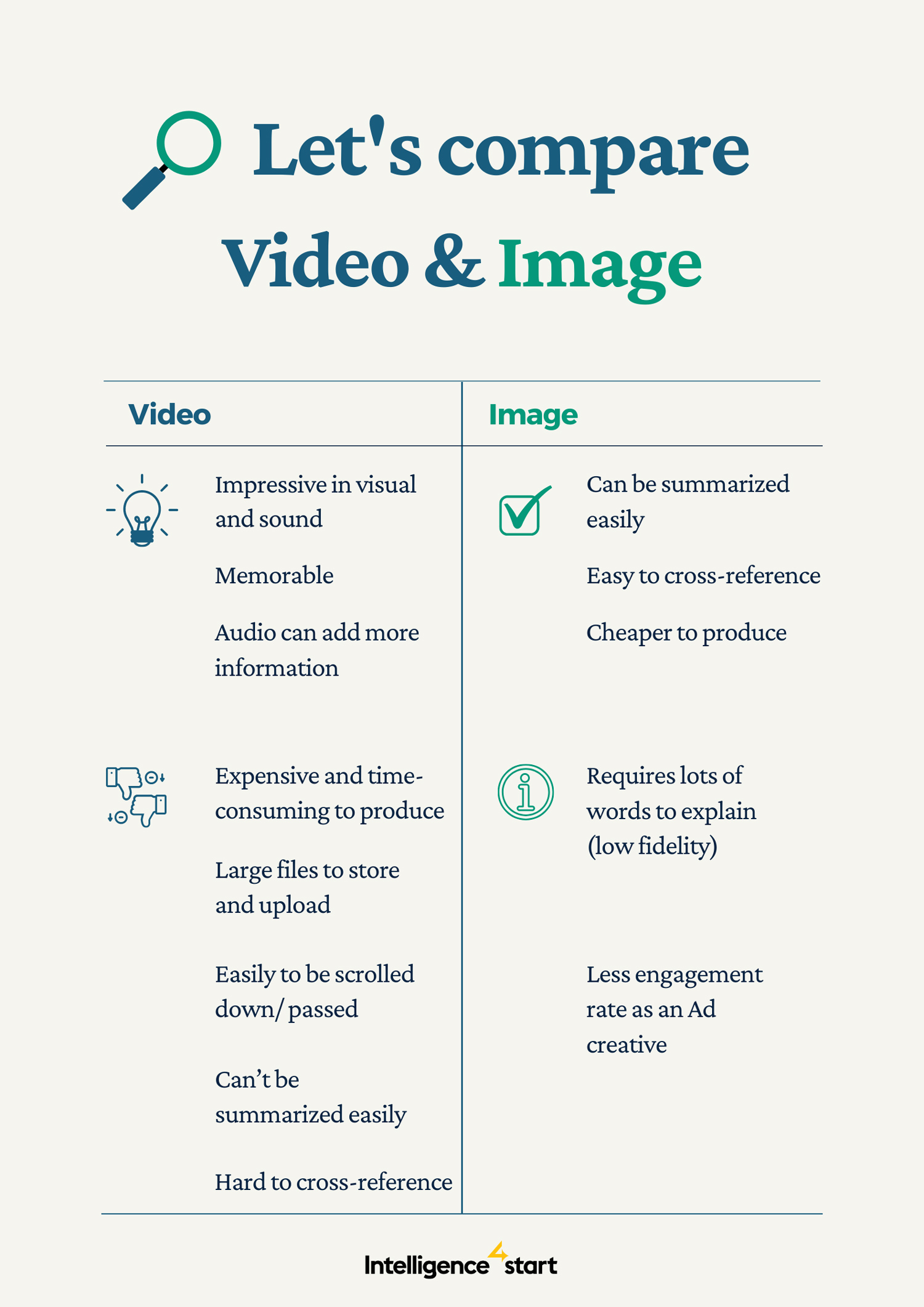
But here’s why corporate video is important:
- Videos combine sight, sound, and storytelling, creating stronger emotional connections.
- 89% of people say watching a video convinced them to buy a product or service. (Wyzowl, 2024)
- Videos improve website SEO: pages with video are 53x more likely to rank on Google’s first page. (Forrester, 2024)
Images may be budget-friendly for startups, but when it comes to building trust, authority, and engagement — corporate video production is unmatched.
6 types of Corporate Videos
1. Company Profile Video
- Goal: Introduce your company to clients, investors, and partners.
- Content: Your values, services, and story in under 2–3 minutes.
- Example: CTBC Bank’s profile video highlights mission, milestones, and market position with data-driven visuals and powerful narration.
2. Recruitment Video
- Goal: Attract top talent by showcasing culture, workplace, and employee stories.
- Insight: 79% of job seekers use video to learn about company culture before applying. (LinkedIn, 2024)
- Example: Starbucks recruitment videos feature employees’ personal journeys, ending with a CTA to their careers
3. Client Testimonial Video
- Goal: Build credibility through real customer experiences.
- Placement: Homepages, landing pages, social media ads.
- Example: Salesforce uses client testimonials to prove ROI and build trust with prospects.
4. Commercial Video
- Goal: Boost brand awareness through high-impact, creative storytelling.
- Channels: Social ads, YouTube, broadcast TV.
- Example: Apple’s AirPods Pro campaign combined music, lifestyle imagery, and sleek editing for global reach.
5. Corporate Training Video
- Goal: Educate employees, partners, or customers.
- Formats: Internal compliance training, customer how-to videos, FAQs.
- SEO tip: Adding training or FAQ videos boosts search rankings, especially with transcripts for voice search.
- Example: Microsoft’s enterprise cloud videos use simple animations to make complex topics accessible.
6. Corporate Event Video
- Goal: Capture milestones, conferences, or anniversaries.
- Benefits: Extends the life of your event, strengthens internal pride, and provides future marketing assets.
- Example: A 10-year anniversary gala video highlights achievements while reinforcing brand identity.
Why Corporate Video Is Important in 2025
- Reach & attention: The average consumer spends 17 hours per week watching online video content. (DemandSage, 2024)
- Conversions: Landing pages with video can increase conversion rates by 80% or more. (Unbounce, 2024)
- Trust: 88% of people say they’ve been convinced to buy after watching a brand video. (Wyzowl, 2024)
- Engagement: Video on LinkedIn gets 5x more engagement than image posts. (LinkedIn, 2024)
Final Thoughts
A corporate video is one of the most effective ways to humanise your brand, boost visibility, and build long-term trust. Whether you’re creating a profile video, testimonials, or training content, the right production can deliver lasting ROI.
If you want to accelerate your brand with professional corporate video production, our team at Ptech Group can help you craft stories that resonate and convert. Let’s connect
Frequently Asked Questions
Corporate video is important because it combines visuals, sound, and storytelling to create stronger emotional connections with audiences. Unlike static images, videos build trust, boost engagement, and increase conversions. In fact, landing pages with video can raise conversion rates by over 80%, and pages with video are 53x more likely to rank on Google.
The six most common types of corporate videos are:
- Company profile videos – Introduce your brand, mission, and values.
- Recruitment videos – Showcase company culture to attract talent.
- Client testimonial videos – Build credibility through real customer stories.
- Commercial videos – Drive awareness with creative brand campaigns.
- Corporate training videos – Educate employees, partners, or customers.
- Event videos – Capture milestones, conferences, or celebrations.
Corporate videos increase visibility and drive measurable marketing results. Videos improve on-site engagement, lower bounce rates, and keep visitors on a page longer—all of which strengthen SEO. Google also prioritises pages with video, making it easier for your business to rank higher and attract more qualified traffic.
Corporate video delivers one of the highest ROIs in digital marketing. According to Wyzowl, 92% of marketers say video provides a positive return. Benefits include higher brand awareness, stronger trust, and improved conversions. A single well-produced video can be repurposed across websites, social media, email campaigns, and events—maximising long-term impact.
Both video and image content play important roles, but video is more effective for engagement and persuasion. While images are quick and cost-effective, videos offer depth and authenticity. For example, 89% of people say watching a video convinced them to make a purchase, compared to far lower engagement with image-only posts.