FROM DIGITAL MARKETING TO METAVERSE MARKETING
Analysts predict the global metaverse market could surpass US$936 billion by 2030 (Statista, 2025). For marketers, this means blending the physical and virtual worlds to create immersive customer experiences.
Brands like Nike, Gucci, and Samsung are already building campaigns inside the metaverse, while industries from gaming to real estate are exploring its potential. This article explores what metaverse marketing is, how it’s shaping customer journeys, and what companies should do today to prepare.
What is Metaverse Marketing?
The word “metaverse” combines meta (beyond) and universe. It refers to a network of 3D virtual spaces, often powered by AR (augmented reality), VR (virtual reality), and blockchain.
- First coined by Neal Stephenson in his 1992 novel Snow Crash.
- Popularized globally when Facebook rebranded as Meta in 2021.
- Today, companies like Apple, Microsoft, Google, and fashion houses like Gucci and Zara are experimenting with metaverse ecosystems.
How Metaverse is Shaping the Future of Marketing
Reimagining Customer Experience
The metaverse adds a multidimensional layer to customer experience. Instead of browsing on a flat screen, customers can interact, shop, and socialize inside immersive environments.
Personalisation is central. In virtual spaces, users can design avatars, choose experiences, and engage with brands on their terms. For marketers, this means creating customer-centric strategies that adapt to AR/VR behaviors.
Reshaping Customer Journeys
By 2025, nearly 75% of social app users will interact with AR technology (Snap & Deloitte survey). Younger generations—Millennials and Gen Z—are leading adoption:
- 48% of Gen Y
- 38% of Gen Z
Believe the metaverse will become part of daily life in the next decade (Harris Poll).
This shift means every stage of the customer journey—from awareness to advocacy—needs to be rethought. Virtual stores, AR product trials, and VR events will replace static websites.
Building Virtual Stores
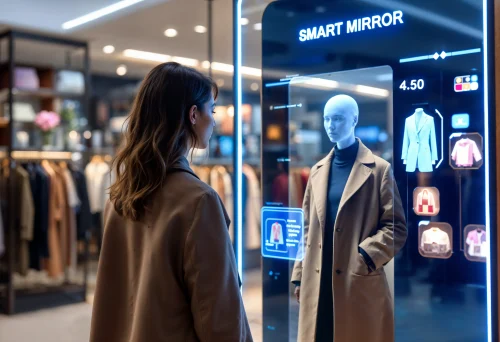
Retailers are already buying virtual “land” to set up shops.
Examples include:
- Nike: Built Nikeland on Roblox, acquiring a virtual fashion startup.
- Gucci: Sold a Roblox handbag for US$4,000.
- Samsung: Launched its own metaverse on Decentraland to showcase products.
Unlike e-commerce, where users only view products, metaverse marketing allows interactive product trials—from trying clothes virtually to visualizing furniture inside one’s home.
Staying Genuine and Authentic
Whether it is digital marketing or metaverse marketing, customers demand authenticity from brands. Marketing is not merely selling. It’s about serving. When brands can connect with people by emotions, they will win customers’ loyalty.
How Industries Are Using Metaverse Marketing
Corporate & Remote Work
- Microsoft Mesh & Hololens: Enable 3D virtual collaboration.
- Meta’s Horizon Workrooms: Remote teams can brainstorm and meet virtually.
Gaming
Platforms like Roblox, Axie Infinity, Sandbox, and Decentraland allow users to create content, trade items, and socialize in decentralized economies.
Retail & Fashion
Luxury brands like Balenciaga and Louis Vuitton experiment with fashion shows, NFT drops, and virtual collections.
Entertainment
- Travis Scott’s Fortnite concert (2020): 12.3M concurrent viewers.
- BTS & Disney: Bringing K-pop and theme parks into the metaverse.
Real Estate
Virtual land sales are booming. Buyers can tour homes, attend events, or invest in digital property as new revenue streams.
Conclusion
The metaverse is evolving from concept to reality, and metaverse marketing is set to redefine digital engagement. From immersive customer experiences to virtual commerce, the opportunities are endless.
Ready to explore the metaverse? Contact Ptech today to design a future-ready marketing strategy tailored to your brand.
Frequently Asked Questions
It’s the use of AR, VR, and 3D virtual environments to engage customers, create immersive experiences, and build stronger brand connections.
Nike, Gucci, Samsung, Balenciaga, and Microsoft are leading examples, creating virtual stores, events, and branded experiences.
Digital marketing is 2D and screen-based, while metaverse marketing adds immersion, interactivity, and personalization in 3D spaces.
No, small businesses can also participate by using AR filters, virtual events, and collaborations with metaverse platforms.
Fashion, gaming, entertainment, real estate, and retail are the frontrunners, but opportunities exist across all sectors.