When economic downturns hit, brand loyalty becomes one of the most valuable assets a company can have. As Australians cut back on discretionary spending, brands that maintain strong brand engagement through well-designed loyalty programs and loyalty schemes are more likely to weather the storm.
Keeping customers loyal in tough times isn’t just about offering discounts—it’s about nurturing deeper relationships that balance both rational value and emotional connection. Explore how a strong brand identity supports long-term loyalty.
1. Leverage Data to Understand Customer Needs
During a downturn, knowing what your customers want is essential to preserving brand loyalty in recession. Learn how a data-first approach fits into your broader digital strategy.
Practical tactics:
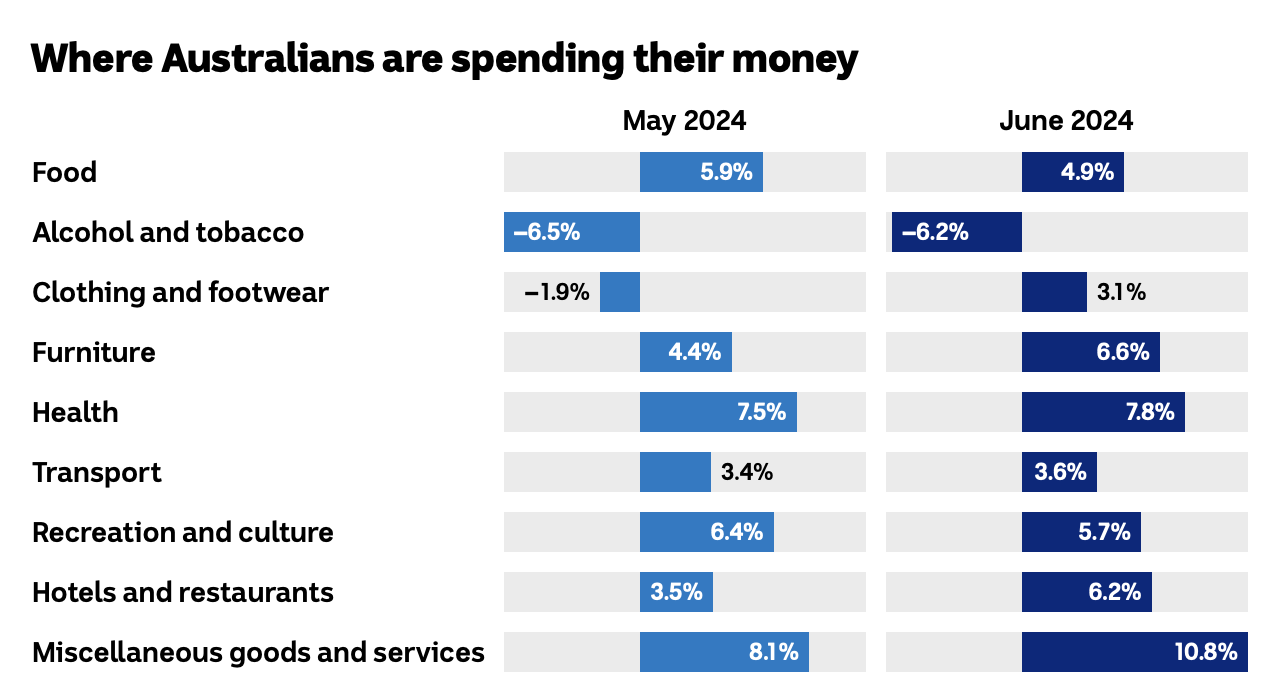
- Purchase tracking: Analyse basket-level data to identify essentials versus “nice-to-have” items and prioritise rewards on essentials. in mid-2024, Australians reduced their spending on alcohol (-6.2%) and food (-1%), while health-related purchases increased (+7.8%).
- Dynamic offers: Send personalised promotions based on past purchase history (e.g., discounts on products customers frequently buy and are willing to spend). Leverage email marketing to deliver these offers effectively.
- Predictive analytics: Use AI to anticipate shifts (e.g., customers switching from premium to mid-range products) and adjust loyalty offers to changing preferences in real-time so customers continue to see your brand as essential…
Key takeaway: A data-first approach ensures your loyalty programs in a recession meet current customer priorities
2. Meet Emotional and Rational Needs
True brand loyalty requires more than transactional discounts—it blends emotional and rational benefits.
Practical tactics:
- Tiered loyalty programs: Offer financial savings in base tiers while providing exclusive experiences in higher tiers.
- Personal recognition: Send birthday perks, anniversary rewards, or thank-you notes to show customers they’re valued beyond purchases.
- Cause-driven rewards: Allow loyalty points to be donated to charities, tapping into customers’ emotional connection with giving back.
Key takeaway: During uncertain times, customers are more likely to remain loyal to brands that understand both their wallets and their emotions.
3. Maintain Engagement with a Mix of Financial and Emotional Benefits
Even in recessions, loyalty is about more than just saving money.
Practical tactics:
- Exclusive content access: Offer loyalty members early access to tutorials, behind-the-scenes content, or special guides.
- Gamified engagement: Introduce challenges (e.g., “shop 3 times this month to unlock a bonus reward”) to make participation fun. Drive awareness and participation through social media marketing.
- VIP events (virtual or in-person): Invite loyalty members to online workshops, product previews, or Q&A sessions.
Key takeaway: A recession-proof loyalty strategy makes customers feel valued, not just marketed to.

Loyalty Programs as the Key to Retention
Well-designed loyalty programs in a recession are one of the most powerful tools for customer retention. Consumers may cut spending overall, but loyal customers are more likely to continue supporting brands that give them consistent value.
Practical tactics:
- Flexible redemption: Let customers use smaller amounts of points for discounts rather than saving for large rewards.
- Subscription-style loyalty schemes: Offer monthly paid memberships that provide guaranteed benefits (e.g., free shipping, discounts, or exclusive perks).
- Surprise-and-delight rewards: Randomly reward loyal customers with unexpected gifts or perks to maintain emotional connection.
Key takeaway: Loyalty programs and loyalty schemes that focus on both value and connection turn challenges into opportunities for deeper relationships.
Conclusion
In recessionary times, brand loyalty is the anchor that keeps businesses steady. Brands that use data insights, balance emotional and rational benefits, and keep customers engaged through strong loyalty programs will thrive despite economic uncertainty.
By investing in strategies that foster customer loyalty in a recession, you position your brand not just to survive the downturn—but to emerge stronger, with deeper brand engagement and more loyal customers than before.
Want to explore tailored strategies for your business? Contact Us today.