Marketing Budget: How Much to Spend & Expert Format Guide 2025
Every business knows that marketing is an investment, not an expense — but determining the right marketing budget can be a challenge. For small and medium-sized enterprises (SMEs), every dollar counts. Unlike large corporations such as Apple or Coca-Cola with vast budgets, SMEs must make every marketing dollar deliver measurable ROI. Learn more about sustainable growth strategies for SMEs to make each investment work harder for long-term profitability.
This article from Ptech Group (Ptech) breaks down how much to spend on your marketing budget, proven budgeting methods, and practical formats to help you plan effectively.

Understanding the Marketing Budget
A marketing budget outlines all expenses related to promoting your brand — from social media and advertising to content creation, SEO, PR, and events. It’s your roadmap to decide where and how to invest in marketing channels that deliver results.
Whether you’re creating a budget plan for marketing or a budget for a digital marketing plan, setting clear goals ensures your money supports growth, not waste.
Common Marketing Budgeting Methods
When determining your budget, experts recommend using one of five proven budgeting methods. Each method offers different levels of accuracy and control.
Affordable Method
This simple approach relies on what your company can afford to spend. The owner decides how much budget to allocate based on current revenue or confidence in future profits.
However, this method ignores data and marketing objectives — often leading to inconsistent spending and unpredictable results.
Lesson learned:
Never base your budget plan for marketing solely on affordability. Instead, align spending with measurable goals.
Percentage of Sales Method
Here, your marketing budget is set as a percentage of sales revenue.
For example, if sales last year were $500,000 and you spent 8% on marketing ($40,000), then next year’s budget could increase proportionally if revenue grows.
It’s straightforward, but it assumes that sales dictate marketing — when in fact, marketing drives sales.
Pro Tip:
Use this method for short-term planning, but pair it with strategic forecasting for growth.
Competitive Parity Model
This model is set up based on your competitors’ spending levels. If your top competitor allocates 10% of their revenue to marketing, you can do the same to stay competitive.
While it helps maintain market parity, blind imitation can backfire. Each business has unique goals, audiences, and constraints.
Lesson learned:
Benchmark competitors but tailor your plan for marketing to your own strategy.
Objective and Task Method
Considered the most reliable method, it starts with setting goals, defining tasks, and calculating the cost of each activity.
Steps to effective budgeting:
- Define objectives (e.g., brand awareness, lead generation).
- Identify key marketing activities (ads, content, PR, SEO).
- Estimate the cost of each.
- Total the costs to form your marketing budget.
Unit Sales Method
This technique calculates marketing cost per product sold. For example, if each unit costs $3 to promote and you plan to sell 10,000 units, the total marketing spend is $30,000.
Useful for eCommerce and manufacturing, this method ensures direct cost control per unit.
How Much to Spend
 Now comes the big question — how much to spend on marketing budget?
According to the U.S. Small Business Administration (SBA):
- Businesses earning under $5 million annually should allocate 7–8% of total revenue to marketing.
This includes:
- Brand Development: website, social media, and partnerships.
- Promotional Costs: campaigns, events, and paid advertising.
Remember, marketing shouldn’t depend on leftover funds — it should be planned and prioritized.
Marketing Budget Based on Business Goals
Your budget format should align with your company’s goals and stage of growth. For deeper, data-backed insights into how leading brands allocate their marketing spend, read Unlocking Growth: Insights from the Latest Marketing Report.
| Goal | Suggested % of Revenue |
| Maintain current sales | 5–7% |
| Moderate growth | 7–10% |
| Rapid expansion | 10–20% |
If your company aims to scale fast, invest more in your digital marketing plan — especially SEO, paid ads, and content creation.
Industry-Specific Marketing Budgets
According to the 2024 CMO Survey, here’s how different business types typically allocate their budgets:
| Industry Type | % of Revenue for Marketing |
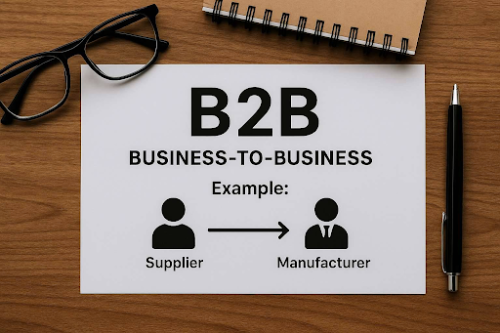
| B2B Product | 8–10% |
| B2B Service | 9–11% |
| B2C Product | 5–10% |
| B2C Service | 8–12% |
During and after the pandemic, companies increased their marketing spend significantly — focusing on brand awareness, digital transformation, and customer retention.
Components of a Marketing Budget Format
When building a marketing budget format, break your costs into key categories:
| Category | Example Costs |
| Digital Advertising | Google Ads, Facebook Ads |
| Content Creation | Blog, video, SEO writing |
| Branding | Logo, website design |
| Events & PR | Sponsorships, networking |
| Tools & Software | CRM, automation, analytics |
| Research & Strategy | Surveys, reports, planning |
This structure ensures clarity and helps track ROI effectively.
Real-World Marketing Budget Plan Example
Here’s an example of a budget for a digital marketing plan for an SME:
| Channel | % of Budget |
| Social Media Marketing | 25% |
| SEO & Content | 20% |
| Paid Ads (PPC) | 25% |
| Email Marketing | 10% |
| Events & PR | 10% |
| Tools & Analytics | 10% |
This flexible plan can be adjusted monthly based on performance and ROI analysis.
Conclusion
Your marketing budget is your strategic foundation — it determines how efficiently you attract, engage, and retain customers.
There’s no one-size-fits-all number, but with clear objectives, smart allocation, and continuous optimization, your investment can yield exponential returns.
At Ptech, we help businesses of all sizes create effective plans that maximize ROI and scale sustainably.
Ready to design your marketing budget for growth?
Contact Ptech today to build a customized digital marketing budget plan that fits your business goals.

Frequently Asked Questions
It’s a structured document that outlines how much you’ll spend across marketing channels, campaigns, and tools.
Most companies spend between 7–12% of annual revenue depending on goals and industry.
SEO, paid ads, email marketing, content creation, analytics, and marketing software tools.
Set goals → Choose strategies → Allocate spend per channel → Monitor ROI monthly.
Yes, businesses should review quarterly and reallocate based on performance data.