How to Build a Brand Identity From Scratch (Step-by-Step Guide)
If you’re launching a new business — or rebranding an existing one — the first thing you need is a strong brand identity. Without it, people won’t recognise you, remember you, or trust you.
A clear brand identity doesn’t just “look good”; it communicates who you are, what you stand for, and why customers should choose you over competitors.
This guide walks you through how to build a brand identity from scratch, even if you’ve never created one before.

What Is Brand Identity?
Brand identity is the set of visible and verbal elements that represent your brand, including:
- Logo
- Colours
- Fonts
- Visual style
- Tone of voice
- Messaging
- Brand story
- Brand personality
It’s the full experience your audience has whenever they interact with your business — online, offline, and everywhere in between.
Why Building a Brand Identity Matters
A strong brand identity helps you:
- Stand out from competitors
- Build trust and credibility
- Attract the right customers
- Charge higher prices
- Increase customer loyalty
- Look consistent across all platforms
In short — if you want customers to remember you, you must invest in your brand identity.
How to Build a Brand Identity From Scratch (10 Essential Steps)
Below is the exact framework brand strategists use when building identity systems for serious businesses.
1. Understand Your Brand’s Core Purpose
Before designing anything, start with your brand’s foundation:
- Why does your business exist?
- What problem are you solving?
- What change do you want to create?
This becomes your brand purpose — the heart of everything else.
Example: Nike’s purpose is “to bring inspiration and innovation to every athlete in the world.”
2. Define Your Target Audience
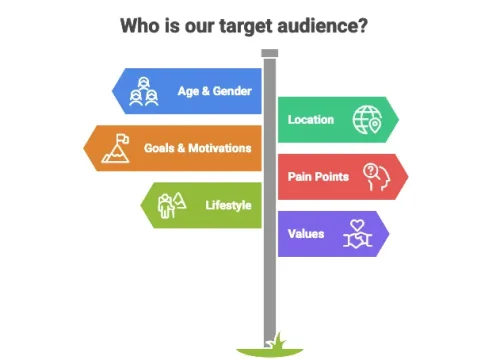
Your brand identity must reflect who you’re speaking to.
Identify your ideal customer:
- Age, gender, location
- Goals, motivations
- Pain points
- Lifestyle
- Values
When you know your audience deeply, you can design a brand they instantly feel connected to.
3. Research Your Competitors
A strong brand identity must be:
- Relevant
- Distinct
- Authentic
Competitor research helps you understand:
- What the market looks like
- Where your category is crowded
- What gaps you can own
- Which visual styles are overused
Ask: How can we look different from everyone else?
4. Define Your Brand Personality
Your brand should feel like a person.
Is it:
- Bold or minimal?
- Friendly or premium?
- Playful or professional?
This personality will guide your colours, typography, copywriting tone, and messaging.
Example:
Apple = minimal, premium, innovative
IKEA = practical, friendly, affordable
5. Craft Your Brand Story & Messaging
Your brand story explains:
- Who you are
- What you do
- Why you do it
- What makes you unique
Then develop key messaging such as:
- Value proposition
- Elevator pitch
- Tagline
- Tone of voice rules
This ensures your communication stays consistent across all platforms.
Building a Brand Identity Feels Overwhelming?
You don’t have to do it alone. Get expert support to turn your strategy into a complete, consistent brand identity system.

6. Create Your Visual Identity

Now comes the creative part — designing the elements people can see.
Visual identity includes:
- Logo
- Colour palette (primary + secondary)
- Typography system
- Visual style (shapes, illustrations, patterns)
- Photography style
- Iconography
Tips:
- Use 1–3 primary colours
- Choose no more than 2–3 fonts
- Keep your logo simple and scalable
- Ensure your visuals match your brand personality
Example:
A wellness brand may use soft pastels, rounded fonts, and calm photography.
A tech brand may use neon accents, bold fonts, futuristic visuals.
7. Build a Brand Identity System
Identity isn’t about having pretty elements — it’s about using them consistently.
Create a standardised system:
- Logo variations
- Colour usage rules
- Font hierarchy
- Layout grids
- Image guidelines
This makes your brand instantly recognisable.
8. Create a Brand Style Guide
Your brand guide ensures everyone (internal team + external partners) uses your identity correctly.
A good brand style guide includes:
- Brand purpose & values
- Audience overview
- Brand personality
- Visual identity rules
- Tone of voice rules
- Content do’s & don’ts
- Example applications
This document keeps your brand consistent — even as your team grows.
9. Apply Your Brand Across All Touchpoints
Your brand identity should appear everywhere:
Digital
- Website
- Social media
- Email marketing
- Ads
- Digital brochures
Offline
- Packaging
- Signage
- Business cards
- Uniforms
- Print materials
Your brand must feel the same no matter where customers see it.
10. Evolve Your Brand Over Time
Brand identity is not “set and forget.”
As your business grows, your identity should:
- Expand
- Mature
- Adapt to new markets
- Reflect audience shifts
The strongest brands continually refine their identity while staying true to their core.
Examples of Strong Brand Identities
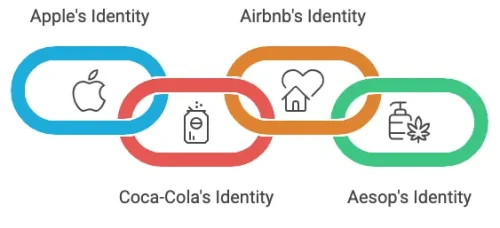
Here are well-known brands that built powerful identity systems:
1. Apple
Minimal, premium, innovative — consistent for decades.
2. Coca-Cola
Red, friendly, emotional storytelling.
3. Airbnb
Warm, inclusive, community-driven.
4. Aesop (Australia)
Muted colours, minimalist packaging, intellectual tone.
Studying these examples can inspire your own identity.
Conclusion
Building a brand identity from scratch is one of the most strategic investments your business can make.
A strong identity helps you:
- Stand out
- Attract the right audience
- Build trust
- Increase loyalty
- Grow sustainably
If you design it intentionally — and use it consistently — your brand becomes memorable, recognisable, and powerful.
At Ptech, we help startups, small businesses, and growing brands build identity systems that elevate perception and drive business results.
Whether you need brand strategy, visual identity, or a complete rebranding — our team is ready to bring your brand to life.
Ready to build a brand identity that your audience will never forget? Contact Ptech today and start your branding journey.

Frequently Asked Questions
Building a brand identity typically takes a few weeks, depending on how much research, strategy, and design development your business requires. What matters most is ensuring each brand element is crafted with clarity and consistency.
A logo is one part of your visual identity.
Brand identity includes everything that shapes how your audience recognises and experiences your brand — colours, typography, tone of voice, messaging, visuals, and personality.
Consistency builds familiarity and trust. When your brand looks and sounds the same across every touchpoint, customers recognise you faster and perceive your business as more professional.
Absolutely. Many brands refine or redesign their identity as they grow. Rebranding helps businesses stay relevant, modern, and aligned with evolving customer expectations.
A strong identity includes:
- Clear brand purpose & values
- Defined audience
- Unique personality
- Strong messaging
- Memorable visual identity (logo, colours, fonts, design system)
- Brand guidelines to ensure consistency