Email Marketing: Boost Click Through Rate & Engagement
Despite the rapid rise of social media, influencer marketing, and AI automation, email marketing remains one of the most powerful and cost-effective tools for any business. It’s not dead — it’s evolving.
According to HubSpot, email marketing delivers an average ROI of $38 for every $1 spent.
That’s higher than any other digital marketing channel. With the right strategy, email can drive traffic, increase conversions, and nurture long-term customer loyalty.
Unlike social media, where algorithms control visibility, email gives brands direct access to their audience. It allows for personalization, automation, and measurable results — all while staying budget-friendly.
Build the Foundation: Segmentation & Personalization
The key to effective email marketing lies in relevance. Sending the same message to everyone is the fastest way to end up in spam — or worse, ignored.
Segmentation: Speak to the Right People
Divide your list into smaller, targeted segments such as:
- New subscribers – send a welcome email introducing your brand.
- Cart abandoners – remind them to complete their purchase.
- Inactive users – re-engage with updates or rewards.
- By location or interest – promote local events or tailored offers.
This targeted approach can boost open rates by up to 14% and increase click-throughs by 100%, according to Campaign Monitor.
Personalization: Add the Human Touch
Your subscribers want to feel like they’re talking to a person, not a robot.
- Use their name in the subject line and greeting.
- Avoid “no-reply” addresses — they discourage engagement.
- Add a real email signature to show authenticity.
Emails that include a recipient’s first name in the subject line see a 26% higher open rate.
Craft Emails That Perform on Any Device
Over 70% of emails are opened on mobile. If your design isn’t mobile-friendly, you’re losing potential customers.
Tips for Mobile-Responsive Emails:
- Use large, legible fonts and short paragraphs.
- Make CTA buttons big and tap-friendly.
- Optimize images for fast loading.
- Keep links separate so they’re easy to click.
Even a few seconds of delay can drastically reduce engagement — users simply swipe away.
Create Compelling Subject Lines & Preheaders
The subject line is your first impression. If it doesn’t spark curiosity, your email won’t be opened — no matter how great the content is.
Best Practices:
- Keep it short — 17–24 characters is ideal.
- Use numbers or power words (“Get 30% Off”, “3 Steps to Boost CTR”).
- Avoid spammy words like “FREE”, “WINNER”, or “GUARANTEED”.
- Match the subject line with the email’s actual content.
Follow with a clear preheader that gives context to your message. Think of it as your “second headline.” Use 35–45 characters to summarize your value offer.
Example:
Subject: “Hey Sarah, ready to unlock your 20% bonus?”
Preheader: “Your exclusive offer expires this weekend. Don’t miss out!”
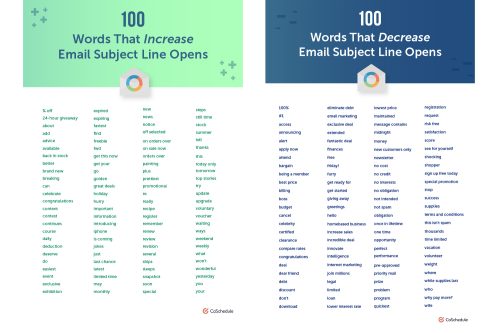
Here are some words you can incorporate/exclude into the subject lines to increase the open rate:
 Automation: Let Smart Triggers Do the Work
Automation is the backbone of modern email marketing. It helps you deliver the right message at the right time — without manual effort.
Common Automated Flows:
- Welcome Series: Send 2–3 onboarding emails introducing your brand and best products.
- Birthday or Anniversary: Reward loyal customers with exclusive offers.
- Abandoned Cart Emails: Remind shoppers what they left behind.
- Re-engagement Campaigns: Win back inactive subscribers with special content.
Automated emails can generate 4x more revenue and 18x higher profit, according to Experian.
Stay Out of the Spam Folder
Even the most beautifully written email is useless if it never reaches the inbox. Spam filters are stricter than ever — but avoidable if you follow these steps.
- Use verified domains and authenticated protocols (SPF, DKIM, DMARC).
- Allow double opt-in to confirm subscribers genuinely want your content.
- Avoid “clickbait” or deceptive subject lines.
- Keep your email code clean — no broken HTML.
- Limit image-to-text ratio (too many large images trigger spam).
- Include an unsubscribe link — it’s legally required and builds trust.
- Don’t use shortened URLs (like bit.ly); they’re red flags for spam filters.
Content That Converts: Be Useful, Not Pushy
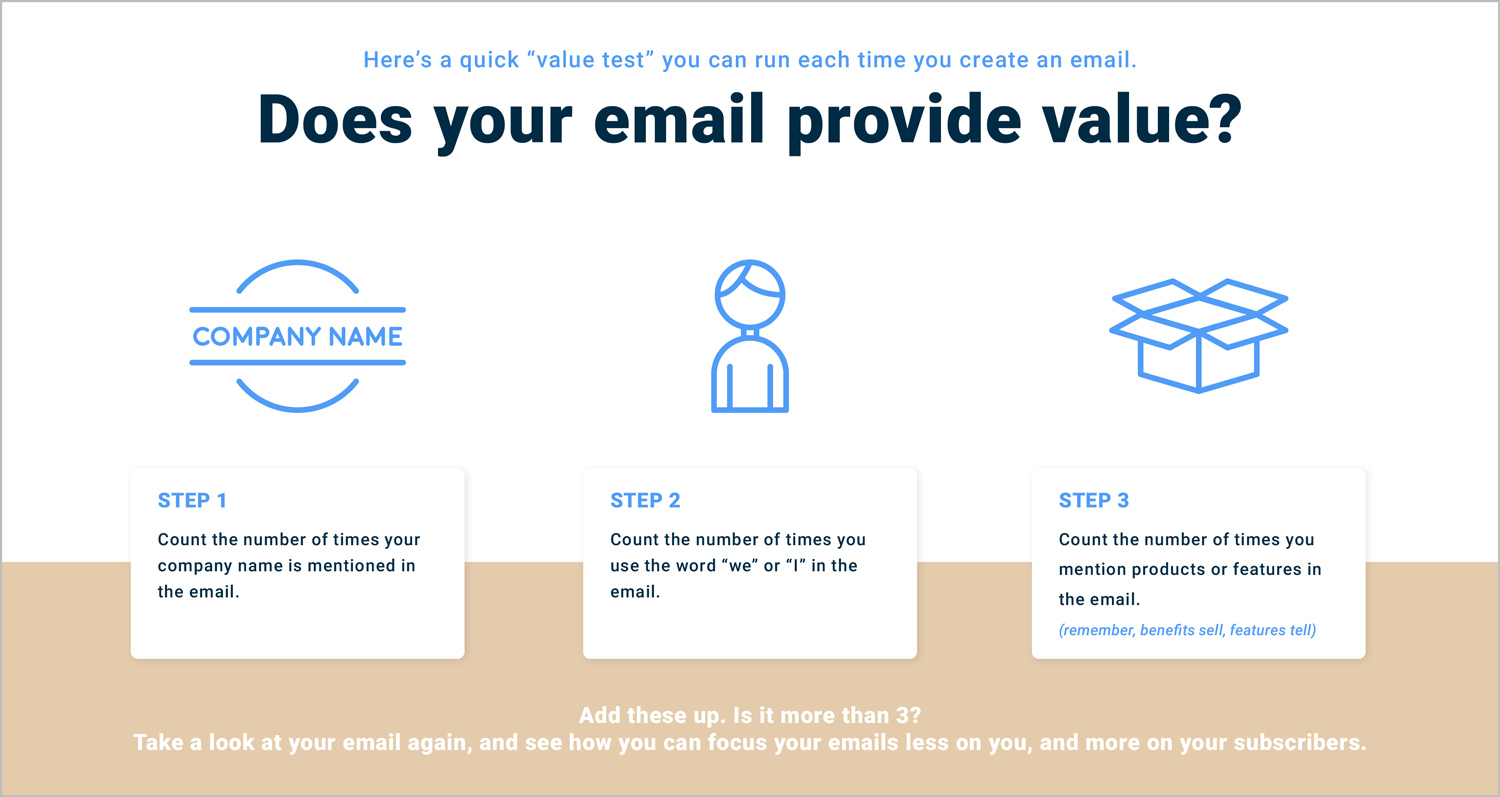
The best-performing emails focus on value first, sales second.
Ask yourself: “What’s in it for my reader?”
Follow the 3C Rule:
- Clear: Stick to one message per email.
- Concise: 100–150 words is often enough.
- Compelling: Focus on benefits, not features.
End with a strong call-to-action (CTA) that’s relevant to your goal:
- “Start your free trial”
- “Explore our new collection”
- “Read the full guide”
Place your CTA button above the fold (visible without scrolling).
Timing & Testing: Perfect the Send
There’s no universal “best time,” but data gives us a good starting point.
Best Days to Send: Tuesday to Thursday
Best Times: Between 9–11 AM or 1–3 PM
Worst Day: Saturday
Then — test, test, test.
Run A/B tests for subject lines, content, sender name, and send times. The best-performing combination will become your future template.
Keep Your List Fresh & Clean
Your subscriber list ages like milk, not wine. Over time, people change jobs, interests, or simply lose touch.
Regularly:
- Remove inactive addresses after multiple unopened emails.
- Send a “re-engagement campaign” before deleting them.
- Ask users to update their preferences instead of unsubscribing.
A clean list not only improves deliverability but also ensures your analytics reflect real performance.
Measure What Matters
Tracking results helps you identify what works — and fix what doesn’t.
Core Metrics to Monitor:
- Open Rate – How engaging is your subject line?
- Click-Through Rate (CTR) – Are readers taking action?
- Spam Complaint Rate – Are you targeting correctly?
- Unsubscribe Rate – Is your content relevant?
- Revenue per Email – Are you converting effectively?
Tools like Mailchimp, HubSpot, or ActiveCampaign provide dashboards that make this data easy to digest.
Email Marketing Is Not Dead — It’s Smarter
Email is still the heartbeat of digital marketing — but today, it’s smarter, more automated, and more personal.
It’s not about flooding inboxes; it’s about building trust and delivering real value.
From segmentation to automation and spam safety, mastering these tactics means transforming email from a simple communication tool into a conversion powerhouse.
Conclusion
Email marketing isn’t just alive — it’s thriving.
With smart segmentation, automation, and personalized content, your brand can boost engagement and click through rate while building lasting customer trust.
At Ptech, we create data-driven email marketing campaigns that deliver real results — from higher opens to stronger conversions.
Let’s make your next campaign your most successful one.
Contact Ptech today to get started.
Frequently Asked Questions
The average click through rate for most email marketing campaigns is around 2–3%, though top-performing industries like eCommerce or SaaS can reach up to 5% or more with strong personalization.
Use short, personalized subject lines, test different send times, and segment your list. Including the recipient’s name can lift open rates by up to 26%.
Spam filters flag emails from unverified domains, those with spam trigger words (“Free”, “Win”, “Act now!”), or those sent to inactive subscribers. Always use a verified domain and provide an opt-out option.
Most brands send 1–2 emails per week. Test frequency and monitor engagement — if your unsubscribe rate rises above 0.5%, scale back slightly.
The best email marketing campaigns blend personalization, clear calls to action, mobile-friendly design, and continuous A/B testing to optimize open and click rates.