How to Promote an Event Online: 11 Proven Strategies to Maximize Attendance
Planning an amazing event is only half the battle. The real challenge lies in getting people to actually show up. In today’s digital landscape, knowing how to promote an event online effectively can make the difference between an empty venue and a sold-out success story. Whether you’re organizing a corporate conference, product launch, or community gathering, the right online promotion strategy will help you reach your target audience and drive meaningful engagement.
From leveraging social media platforms to creating compelling content that resonates with your audience, this comprehensive guide will walk you through 11 proven methods to promote your event online and ensure maximum attendance.
Create a dedicated event website or landing page
Your event website serves as the central hub for all information related to your event. This is where potential attendees will go to learn more, register, and get excited about what you’re offering.
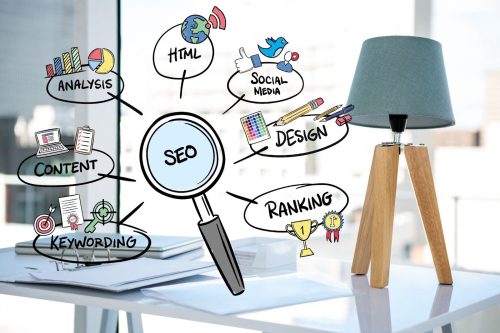
A well-designed landing page should include essential details like event date, time, location, agenda, speaker information, and a prominent registration button. Make sure your website is mobile-friendly since many people will access it from their smartphones. Don’t forget to optimize for search engines by incorporating relevant keywords naturally throughout your content and ensuring fast loading speeds.
Leverage social media marketing
Social media platforms offer incredible opportunities to reach and engage your target audience. The key is choosing the right platforms based on where your audience spends their time.
Facebook is excellent for creating event pages and running targeted ads, while Instagram’s visual nature makes it perfect for sharing behind-the-scenes content and speaker highlights. LinkedIn works best for professional or industry-focused events, and Twitter is ideal for real-time updates and engaging in conversations. Create a content calendar that includes teasers, speaker spotlights, countdown posts, and user-generated content to keep your audience engaged throughout the promotion period.
Implement email marketing campaigns
Email marketing remains one of the most effective ways to promote events, offering direct access to your audience’s inbox. Start by building a quality email list through lead magnets, website opt-ins, and social media campaigns.
Create a series of emails that tell a story about your event. Begin with save-the-date announcements, follow up with detailed information about speakers and agenda, and continue with reminder emails as the date approaches. Personalize your emails by segmenting your list based on interests, past attendance, or demographics to deliver more relevant content that resonates with each group.
Use paid advertising strategically
Paid advertising can significantly amplify your event’s reach when used strategically. Social media ads on platforms like Facebook, Instagram, and LinkedIn allow you to target specific demographics, interests, and behaviors.
Google Ads can capture people actively searching for events like yours, while retargeting campaigns help you re-engage visitors who showed interest but haven’t registered yet. Set clear budgets and objectives for each campaign, and continuously monitor performance to optimize your ad spend for the best return on investment.
Partner with influencers and industry leaders
Influencer marketing can provide authentic endorsements that resonate with your target audience. Look for influencers who align with your event’s theme and have genuine engagement with their followers.
Collaborate with them to create content that feels natural and valuable to their audience. This could include sponsored posts, Instagram takeovers, or having them speak at your event. Industry leaders and thought leaders can also help promote your event through their networks, lending credibility and expanding your reach to new audiences.
Create engaging video content
Video content is incredibly powerful for generating excitement and giving potential attendees a taste of what to expect. Create promotional videos that showcase highlights from previous events, introduce your speakers, or provide behind-the-scenes glimpses of event preparation.
Consider hosting pre-event webinars or live Q&A sessions with speakers to build anticipation and provide value upfront. These videos can be shared across social media, embedded in emails, and featured on your event website to maximize their impact.
Utilize event listing platforms
Don’t overlook the power of event listing sites like Eventbrite, Meetup, and local directories. These platforms have built-in audiences actively searching for events to attend.
Create compelling listings with complete information, high-quality images, and keyword-optimized descriptions. Many of these platforms also offer promotional tools and analytics to help you track performance and reach new audiences who might not find you through other channels.
Build strategic partnerships
Collaborating with sponsors, industry associations, and complementary businesses can significantly expand your promotional reach. Partners can help promote your event through their channels, share email lists, and create co-branded content.
Look for partnership opportunities with organizations that serve similar audiences but aren’t direct competitors. These relationships can provide mutual benefits and help you tap into new networks of potential attendees.
Encourage user-generated content
User-generated content adds authenticity to your promotional efforts and helps build a community around your event. Create a unique event hashtag and encourage people to share their excitement, past event experiences, or reasons for attending.
Run contests or photo challenges that motivate people to create and share content related to your event. Reposting and featuring user-generated content on your channels not only provides social proof but also makes your audience feel valued and involved in the event’s success.
Implement content marketing
Content marketing helps establish your expertise and provides value to your audience while promoting your event. Write blog posts that address common industry challenges, share insights from your speakers, or provide educational content related to your event’s theme.
Guest posting on relevant industry blogs and websites can help you reach new audiences and build backlinks to your event website. This approach positions your event as a valuable resource and helps with search engine optimization.
Offer exclusive incentives and early bird discounts
Creating a sense of urgency and exclusivity can motivate people to register sooner rather than later. Offer early bird pricing, exclusive access to certain sessions, or limited-time bonuses for early registrants.
Consider providing special discounts to specific groups like students, association members, or past attendees. These incentives not only encourage registration but also help you gauge interest and plan accordingly based on early response rates.
Successfully promoting an event online requires a multi-faceted approach that combines various strategies and channels. By implementing these 11 proven methods, you’ll be able to create buzz, engage your target audience, and drive the attendance your event deserves.
Remember that effective event promotion starts early and requires consistent effort across multiple touchpoints. The key is to understand your audience, choose the right mix of promotional channels, and continuously monitor and adjust your strategies based on performance data.
Let Ptech power your event success.
Our digital marketing team crafts tailored digital campaigns – social media, email marketing, paid ads, and more – that speak directly to your ideal audience. You focus on the event. We’ll bring the people.
Connect with us today and unlock your event’s full potential.