Media Production for Business: What It Is and Why It Matters
Many businesses invest in marketing channels yet still face the same frustrating outcome: low engagement, unclear brand perception, and campaigns that fail to convert as expected. Often, the issue isn’t the platform, targeting, or even the offer. It’s the way the business is visually and verbally presented. Weak or inconsistent media quietly erodes trust before a message has a chance to land. In today’s environment, media production is no longer a creative add-on. It influences how credible a business appears, how persuasive marketing becomes, and how confidently customers move toward a decision.
What Is Media Production in a Business Context
When I talk about media production for business, I’m not just thinking about attractive visuals. I’m thinking about content that shapes perception, communicates value, and supports decision-making.
Every video, image, and audio asset a business puts out contributes to how it’s seen. These pieces show up on websites, in ads, across social platforms, and inside sales materials. They influence whether a business feels professional, reliable, and established. Since the media is often the first interaction someone has with a company, it carries more weight than many people realise.
Why Media Production Matters for Branding & Marketing Performance
People rarely judge a business purely on what it claims. They judge how it presents itself.
When the media looks polished, consistent, and aligned with the brand, the business feels more credible. When the media looks rushed or inconsistent, doubt creeps in, even if the product or service is strong.
I’ve seen campaigns with the same strategy, message, and budget perform very differently depending on how clearly the value is communicated visually. Strong media makes complex offerings easier to understand. It helps people grasp benefits faster and remember the message. It also builds trust earlier. Instead of marketing having to prove credibility from scratch, the media does a lot of that work upfront.
Core Media Production Services for Business
Professional media production isn’t about isolated pieces of content. I think of it as part of a broader communication system.
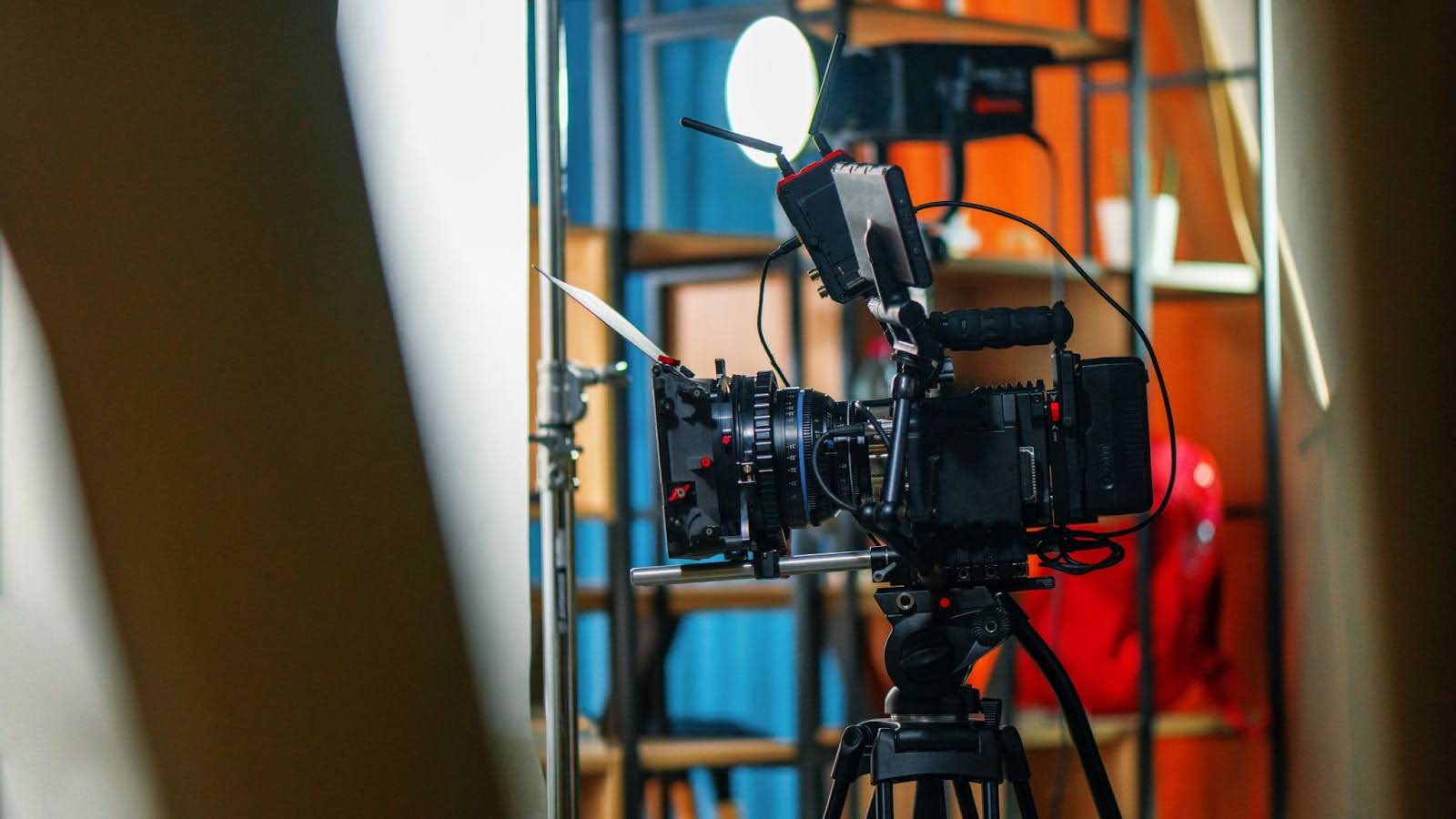
Videography helps turn ideas into experiences. It shows how services work, highlights case studies, explains processes, or presents products in real settings. Video adds depth and movement, which helps people understand and connect with what’s being offered. It’s especially powerful on landing pages and in ads where clarity has to happen fast.
Photography shapes first impressions. Product images influence purchase confidence. Team photography builds transparency and relatability. Environmental visuals communicate scale, culture, and professionalism. When the visual style is consistent, the brand feels more reliable.
Podcast and audio production support authority and familiarity. Audio allows businesses to share expertise, discuss industry topics, and maintain an ongoing presence in their audience’s routine. It extends communication into moments when people are not looking at a screen.
Each of these services plays a different role, but together they create a media ecosystem that supports communication at every stage of the customer journey.
How Professional Media Production Supports Business Results
From what I’ve seen, high-quality media strengthens how a brand is perceived, which directly affects trust. Clear visuals make messages easier to understand, so people stay engaged longer. When customers quickly understand the value and feel confident in what they see, they move through the buying journey with less hesitation.
Strong creative assets also improve ad performance, because campaigns often depend on visual clarity to capture attention. Over time, consistent media reduces friction in the sales process. Customers arrive already informed and reassured.
Common Media Production Mistakes Businesses Make
One of the biggest mistakes is producing content without a clear objective. The media may look good, but it doesn’t support positioning or marketing goals. Another issue is inconsistency in style, tone, and quality across platforms, which confuses the brand image.
I also see businesses treat media as decoration rather than communication, focusing only on aesthetics. Others create content once and stop, instead of building a system that evolves with campaigns. When media is disconnected from strategy, it rarely delivers meaningful impact.
How Ptech Supports Business Media Production
At Ptech, we don’t treat media production as just creative output. We see it as a performance-driven part of the business.
We develop video, photo, and audio content aligned with marketing and sales goals. We connect media directly to outcomes like lead generation, brand positioning, and product promotion. We ensure visual consistency across websites, ads, and social channels so brands appear cohesive. We design content with digital use in mind and advise on how it should be deployed, not just how it’s produced.
The focus is on building long-term brand assets, so businesses can scale communication without losing identity.
Conclusion
Media production is not simply a creative expense. It shapes perception, influences engagement, and strengthens marketing performance. When businesses approach media strategically, they improve how they are understood, trusted, and chosen. Over time, strong media systems support growth far beyond individual campaigns.
Let’s create media that builds trust, strengthens your brand, and turns marketing activity into consistent, measurable business growth.
FAQs About Media Production for Business
- What does media production include? It typically covers video, photography, and audio content created to support communication, branding, and marketing across digital and offline channels.
- How does media production support branding and marketing? Professional media clarifies positioning, strengthens brand perception, and helps campaigns perform better by making value easier to understand.
- When should a business invest in media production? It becomes important when a business begins active marketing, launches campaigns, or needs to strengthen its presence in a competitive market.
- How does media production affect engagement and conversion? Clear, compelling visuals hold attention, reduce uncertainty, and help potential customers feel confident enough to take the next step.