Influencer Marketing 2025: The Future of Authentic Influence
As 2025 approaches, influencer marketing is evolving faster than ever. It’s no longer about celebrity endorsements or viral moments—it’s about authentic connection, data-driven precision, and creative collaboration.
For brands in Australia and beyond, this evolution opens up new possibilities to engage real audiences through relatable voices and meaningful stories. Let’s explore how influencer marketing is transforming—and what brands should do to stay ahead.
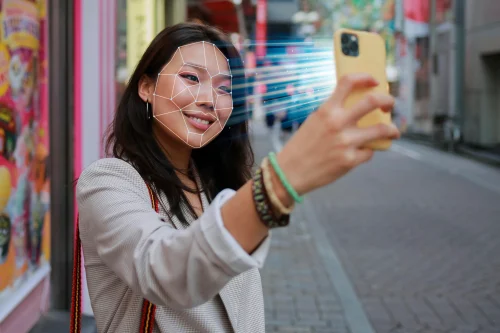
The Evolution of Influence: From Endorsements to Authenticity
Gone are the days when influencer marketing meant simply paying someone with followers to post about your product.
Today, authenticity is everything. Consumers expect transparency, and they can spot insincerity instantly. The most successful campaigns in 2025 will prioritize:
- Shared values between influencer and brand.
- Authentic storytelling, not scripted product mentions.
- Long-term partnerships instead of one-off collaborations.
Authenticity builds trust—and trust drives conversions.
According to Influencer Marketing Hub, influencer marketing delivers an average ROI of $5.20 for every $1 spent, proving that genuine influence still works when done right.
The Influencer Landscape: Trends Defining 2025
Influencer marketing continues to expand its impact—especially in Australia’s multicultural, digital-first market. Here are five key trends shaping 2025:
AI-Powered Precision
Artificial Intelligence (AI) is transforming how brands identify, manage, and measure influencer performance.
AI tools help marketers:
- Find the right creators using sentiment and engagement data.
- Predict campaign outcomes.
- Personalize content for audience segments.
Diversity and Inclusion
Australia’s cultural mix demands inclusive marketing.
Brands embracing diversity in their influencer strategy—across ethnicity, gender, and lifestyle—build stronger community trust and brand relevance.
Short-Form Video Dominance
TikTok, Instagram Reels, and YouTube Shorts are still the heart of engagement.
In 2025, brands must focus on micro-stories—15 to 30-second clips that are emotional, entertaining, and scroll-stopping.
Mega influencers: between 100,000 and 1 million followers
Sustainability & Ethical Marketing
Consumers now align their spending with values. Influencers who champion sustainability, mental health, and ethics will dominate brand partnerships.
Performance-Based Collaborations
More brands will shift from flat-fee deals to performance-based contracts, tying influencer rewards directly to measurable results—like sales, clicks, or sign-ups.
The Emergence of Creator Ads: Where Influence Meets Paid Media
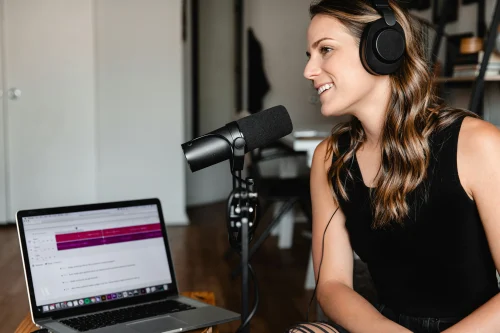
One of the biggest revolutions in 2025 is the rise of Creator Ads.
This model transforms influencer-generated content into paid advertising—merging authenticity with precision targeting.
What Are Creator Ads?
Creator Ads are paid ads created from influencer content, boosted directly from the influencer’s account (e.g., TikTok Spark Ads, Meta Partnership Ads).
These ads:
- Retain the influencer’s voice and authenticity.
- Use advanced targeting to reach ideal audiences.
- Bridge the gap between organic storytelling and paid performance.
4 Key Benefits
| Benefit | Description |
| 1. Authentic storytelling at scale | Combines real creator voices with the reach of paid ads. |
| 2. Measurable performance | Track clicks, conversions, and sales from influencer-led ads. |
| 3. Cost efficiency | Reuse creator content without full-scale ad production. |
| 4. Consumer trust | Viewers are 2x more likely to engage with creator ads vs. brand ads. |
A 2024 study by CreatorIQ found that 76% of brands saw higher engagement and ROI using Creator Ads compared to traditional paid campaigns.
Building a Winning Influencer Marketing Strategy
Influencer marketing success isn’t accidental—it’s strategic.
Here’s a proven 5-step framework that Ptech uses to help brands maximize ROI:
Step 1: Define Objectives
Start with clarity. Identify whether you’re targeting:
- Awareness (reach, impressions)
- Engagement (ER, shares)
- Conversion (sales, leads, downloads)
Step 2: Choose the Right Influencers
Match your audience with the influencer’s community.
Focus on micro- and nano-creators—they often outperform celebrities in trust and engagement.
Influencer tiers:
- Nano: 1K–5K followers
- Micro: 5K–20K
- Mid-tier: 20K–100K
- Macro: 100K–1M
- Celebrity: 1M+
Step 3: Co-Create Authentic Content
Allow influencers freedom to interpret your brand message. Scripted content feels fake; authenticity sells.
Encourage storytelling, user experience sharing, and emotional hooks that connect.
Step 4: Amplify with Creator Ads
Take your best-performing influencer content and boost it with paid ads.
Platforms like TikTok Spark Ads and Meta Partnership Ads make it easy to turn organic success into paid reach.
Step 5: Measure, Optimize, Repeat
Monitor key KPIs:
- Reach & Impressions
- Engagement Rate (ER)
- Click-Through Rate (CTR)
- Conversion Rate
- Return on Ad Spend (ROAS)
Leverage AI analytics to refine targeting, messaging, and budget allocation.
Case Study: Vietjet’s Path to Success in Australia

When Vietjet entered the Australian market, the brand didn’t just launch a campaign—it built cultural relevance.
By collaborating with local influencers across Vietnamese, Chinese, and broader Asian-Australian communities, Vietjet created content that celebrated cultural pride, family connections, and shared values.
The result?
- Increased brand awareness across multicultural audiences.
- High engagement rates from emotionally resonant storytelling.
- Strong brand affinity, driven by authenticity and inclusion.
This case exemplifies how influencer marketing can bridge cultures—and how authentic partnerships drive both community and commerce.
The Future of Influence: Where AI, Data & Creativity Converge
In 2025, influence will become more data-driven, purpose-led, and immersive than ever.
Here’s what to expect next:
- AI-powered collaboration tools to streamline partnerships.
- Predictive analytics to forecast campaign ROI.
- Creator-led communities driving brand advocacy.
- Ethical standards to ensure transparency and accountability.
Influencers are evolving from content promoters to brand storytellers, shaping perception and trust at scale.
Quick Tips for 2025 Success
- Partner with micro-creators for authentic engagement.
- Prioritize inclusivity and diverse representation.
- Combine organic and paid influencer strategies.
- Use AI tools for smarter data insights.
- Align with creators who share your brand purpose.
- Measure success beyond vanity metrics—focus on long-term impact.
Conclusion
In 2025, influencer marketing isn’t just a campaign tool—it’s a strategic growth engine.
When done authentically and powered by creator collaboration, it can build deep trust and deliver measurable ROI.
Ready to elevate your influencer strategy?
Partner with Ptech to design, execute, and amplify campaigns that connect genuinely, perform powerfully, and grow sustainably. Contact us!
Frequently Asked Questions
Influencer marketing is organic collaboration; creator ads amplify that content with paid targeting.
Yes. Micro-creators maintain higher engagement and authenticity, ideal for community-based marketing.
AI improves influencer discovery, campaign performance forecasting, and ROI optimization.
Engagement Rate, CTR, Conversion Rate, ROAS, and Sentiment Analysis.
Audiences demand transparency and real connection—authentic storytelling builds lasting loyalty.
Work with creators from diverse backgrounds and tailor messages for different cultural contexts.