Video Marketing 2025: How to Create and Promote Videos
Video is no longer optional — it’s the heart of digital communication. Whether you’re running a marketing video company, a small business, or a global brand, video marketing is the fastest way to reach and engage audiences. In 2025, video makes up more than 80% of all internet traffic, and consumers say they’re twice as likely to share videos than any other content format.
If you want to build awareness, drive traffic, and increase conversions, you must understand how to create a marketing video — and how to promote it effectively. This guide walks you through every stage: from strategy and production to distribution and optimization.
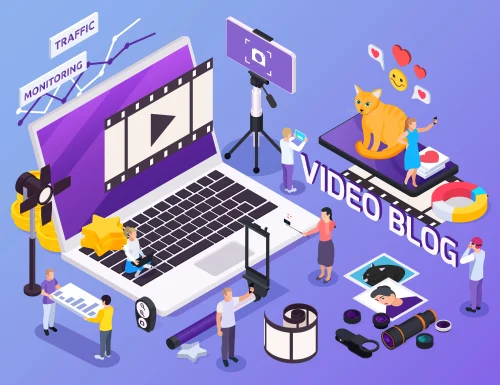
Why Video Marketing Matters
Video is the most engaging medium ever created — and it works across every stage of the marketing funnel. Here’s why brands keep investing in it:
- Drives traffic: Over 85% of marketers say video increases website visits and time on page (Wyzowl, 2024).
- Boosts engagement: Users retain 95% of a message in video form vs. 10% in text (HubSpot).
- Improves conversions: 88% of people say they’ve been convinced to buy a product or service after watching a brand’s video.
- Enhances SEO: Webpages with video are 53 times more likely to appear on Google’s first page.
- Builds emotional connection: Video combines visuals, sound, and storytelling — the most powerful formula to trigger emotion and memory.
In short, effective video marketing brings your brand to life — and delivers measurable business impact.
Video drives traffic
Step One: Define Your Strategy
Before hitting “record,” define why you’re creating the video. Clarity at this stage ensures every dollar spent produces results.
Set a clear goal
Are you aiming to increase brand awareness, explain a product, or drive direct sales? Your goal determines the video type, message, and platform.
Understand your audience
Identify your target viewers by age, behavior, interests, and pain points. Great videos speak the audience’s language, not yours.
Plan your Call to Action (CTA)
Every marketing video needs a clear next step — “Shop now,” “Learn more,” “Subscribe,” or “Book a demo.” Place it visually and verbally in the video’s final seconds.
How to Create a Marketing Video: Pre-Production Essentials

Creating a professional marketing video starts long before the camera rolls. Pre-production defines your success.
Choose the right video type
Different formats serve different goals:
- Brand film: Build identity and emotion.
- Product demo: Show how your solution works.
- Tutorial / how-to: Educate and build authority.
- Testimonial: Build trust through real customers.
- Short-form video: Perfect for social media awareness.
Build a storyboard and script
A script ensures the story flows naturally and stays on message. Storyboards visualize each scene — camera angles, lighting, and dialogue — saving time later.
Set your budget
Decide early whether you’ll work with a marketing video company or create in-house.
Consider:
- Production crew and equipment.
- Talent, music, and locations.
- Editing, animation, and distribution costs.
Plan your timeline
Even a 30-second ad can take weeks to produce. Set milestones for scripting, shooting, editing, approvals, and publishing.
Production: Where Creativity Meets Execution
During production, details make the difference between amateur and professional.
Keep it concise
Attention spans are shorter than ever. Aim for:
- 15–30 seconds for social media ads.
- 1–2 minutes for brand or product videos.
- Under 6 seconds for bumpers or teaser ads.
Focus on storytelling and emotion
Viewers forget facts but remember feelings. Whether it’s excitement, curiosity, or empathy — emotion drives sharing and sales.
Use powerful visuals and sound
Combine movement, music, and color to create emotional impact. 80% of what people remember comes from what they both see and hear.
Stay professional
Avoid grammar errors, poor lighting, shaky footage, or irrelevant scenes. Even if your video isn’t cinematic, it must feel intentional and aligned with your brand.
Post-Production: Edit with Purpose
Editing isn’t just cutting clips together — it’s where the story comes alive.
Keep the flow smooth
Transitions, pacing, and sound design must enhance your story, not distract from it.
Add branding consistently
Include your logo, color palette, and font, but keep it subtle. The story should shine, not the watermark.
Optimize for silence
Most videos on social media play without sound. Use subtitles or captions so viewers can still follow the story.
Polish for SEO
Your video’s title, description, and tags matter as much as the content itself. Use descriptive, keyword-rich text such as “how to make marketing videos for social media” to boost discoverability.
How to Make Marketing Videos for Social Media
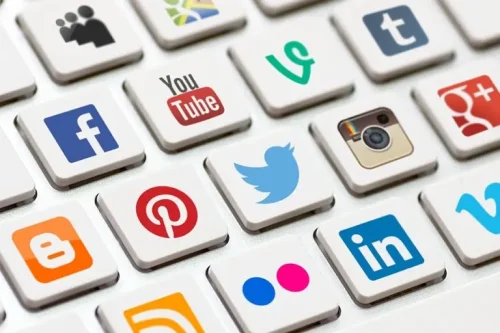
Each platform has its own audience behavior and content style. Repurposing is smart — but one size doesn’t fit all.
YouTube
The world’s largest video platform, perfect for tutorials, testimonials, and webinars.
- Use keyword-optimized titles and custom thumbnails.
- Add end screens and cards to drive viewers to your website.
- Organize content into playlists for SEO and binge-watch behavior.
Instagram & TikTok
Short-form, vertical, and trend-driven.
- Hook viewers in the first 3 seconds.
- Add captions, trending sounds, and hashtags.
- Use Reels or TikTok Ads for paid reach.
Facebook & LinkedIn
Great for community and professional engagement.
- Use square or vertical formats.
- Keep videos between 15–45 seconds.
- Add a strong headline above the video.
Website and Email
Embedding video on landing pages can increase conversions by 80%. In email, including the word “video” in subject lines can boost open rates by 6%.
How to Promote Your Marketing Video
Once your video is live, promotion determines whether it reaches 100 or 100,000 people.
Leverage paid ads
Paid video ads guarantee visibility and targeting precision.
- On Facebook or Instagram, use audience filters by location, interest, or behavior.
- On YouTube, TrueView ads charge only when users watch at least 30 seconds.
- A/B test square vs. horizontal video — square often gets up to 78% more feed space.
Encourage user-generated content (UGC)
People trust peers more than ads. Run contests encouraging users to post videos using your product, then feature the best ones.
Example: Apple’s famous “Shot on iPhone” campaign turned customers into brand ambassadors.
Collaborate with influencers
Partner with niche creators to increase credibility. For deeper insights into influencer collaborations that boost ROI, check out our complete guide.
Repurpose creatively
Turn one full video into multiple assets:
- 60-second highlight reels for Instagram.
- 15-second teasers for TikTok or Stories.
- Animated snippets for ads.
How to Create Videos Quickly for Marketing and Promotion
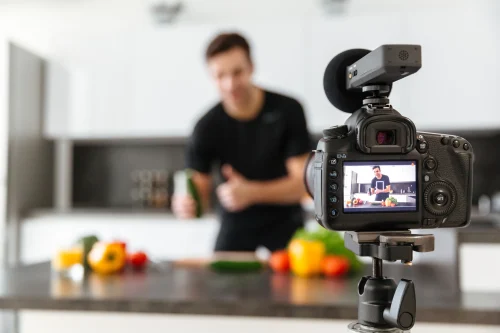
If you don’t have a large budget or production team, speed and efficiency matter.
Here’s how small businesses can create effective videos fast:
- Use smartphones smartly: Modern phones shoot in 4K — perfect for most marketing videos.Rely on free tools: Use apps like CapCut,
- Canva Video, or Descript for easy editing.
- Batch shoot content: Film multiple short clips in one session to save time.
- Template your branding: Keep logos, intros, and subtitles consistent to streamline production.
- Outsource strategically: Hire a marketing video company for editing or motion graphics if needed.
The key is consistency — frequent, authentic videos beat rare, perfect ones.
Measuring Success: Video Marketing KPIs
Without metrics, you can’t know what works. Set KPIs that match your goal.
| Objective | KPI | Description |
| Awareness | Views & Impressions | Number of times the video was seen |
| Engagement | Likes, Shares, Comments | How audiences interact with the video |
| Attention | Watch Time / View-Through Rate | % of video watched before exiting |
| Conversion | CTR & Conversion Rate | Clicks or actions taken after viewing |
| Efficiency | CPV / CPA | Cost per view or per acquisition |
| SEO | Dwell Time / Bounce Rate | How long visitors stay after watching |
Review data weekly. If viewers drop off early, adjust your hook or CTA. If engagement is low, test new thumbnails or captions.
Common Mistakes to Avoid
- Creating without a strategy: Every video should align with business goals.
- Focusing on visuals, not message: A beautiful video without a story won’t convert.
- Forgetting mobile optimization: 80% of video views come from mobile devices.
- Ignoring captions: Many viewers watch silently.
- No CTA: Always tell viewers what to do next.
How to Make Video Marketing Work Long-Term
Video marketing isn’t a one-off campaign: it’s a long-term brand asset. To sustain momentum:
- Plan a content calendar that aligns with launches or seasonal moments.
- Create a signature style: viewers should recognize your videos instantly.
- Analyze audience feedback and comments to refine tone and topics.
- Integrate across channels: Embed videos in blogs, newsletters, and product pages.
- Keep testing: Try different lengths, thumbnails, and formats regularly.
The brands that win with video are those that never stop experimenting.
Conclusion
Learning how to make a marketing video isn’t just about technical skills — it’s about telling the right story, to the right people, in the right place. Whether you’re shooting a brand film, a TikTok ad, or a testimonial, focus on strategy, authenticity, and emotional impact.
At Ptech Group (Ptech), our media team helps brands plan, produce, and promote high-impact video marketing campaigns that convert viewers into customers.
Ready to create videos that deliver measurable results?
Let’s build your next video marketing strategy together. Contact Ptech to start your project today.