Website Redesign in 2025: 5 Reasons to Update Your Site Now
Your website is more than a digital business card—it’s your 24/7 salesperson. Customers visit your site to learn about your products, compare services, and make purchasing decisions. But if your website looks outdated, loads slowly, or fails to generate leads, it may be time for a redesign.
In fact, studies show that 94% of first impressions are related to design (Adobe, 2024). And with mobile devices accounting for over 63% of global web traffic (Statista, 2025), having a modern, user-friendly site has never been more important.
Here are 5 reasons why redesigning your website in 2025 is essential to stay competitive.
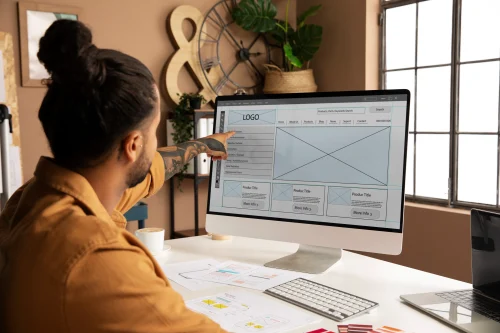
Website Redesign to Reflect Brand Identity Changes
Your website reflects your brand identity. If your company rebrands—changing its logo, colors, or overall style—your website must follow. A mismatch between online and offline branding confuses customers and weakens trust.
- Minor rebranding may involve updating color palettes, typography, or button styles.
- Major redesigns can take months, involving UX/UI research, new sitemaps, and extensive testing.
For a seamless customer experience, ensure that your website and brand identity stay aligned across all touchpoints.
Mobile-Friendliness Is Non-Negotiable

With 7 billion smartphone users globally in 2024 (GSMA Intelligence), mobile-first design is no longer optional. In Australia, over 60% of online purchases are made via mobile devices (Statista, 2025).
A non-responsive website:
- Hurts SEO rankings (Google prioritises mobile-friendly sites).
- Frustrates users, leading to higher bounce rates.
- Reduces conversions, especially in e-commerce.
Modern website builders provide responsive templates, but businesses must test across devices to ensure optimal experience.
Boost SEO Performance Through a Website Redesign
A great website means little if no one finds it. If your current site lacks SEO optimisation, you’re missing opportunities.
- 75% of users never scroll past the first page of Google (HubSpot, 2024).
- Websites with updated SEO structure see 55% more organic traffic.
A website redesign aligned with an SEO strategy ensures:
- Clean site structure & fast loading speed.
- Optimised content with relevant keywords.
- Better indexing for search engines.
Pair your redesign with SEO services to increase visibility and drive long-term traffic.
Improve Conversions with a Website Redesign
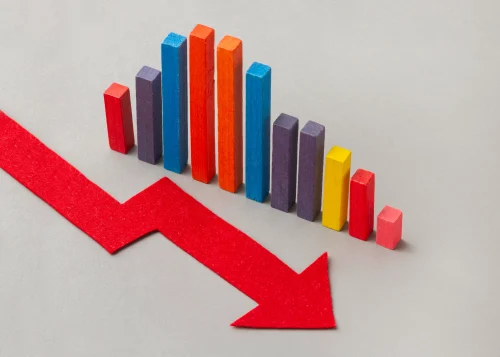
High traffic but low conversions? That’s a red flag. A website that fails to convert visitors into leads or sales often has:
- Poor navigation or confusing layout.
- Weak call-to-action (CTA).
- Cluttered landing pages.
A redesign allows you to improve UX/UI and place CTAs strategically. For example:
- Highlight testimonials and case studies to build trust.
- Use clear CTAs like “Get a Free Quote” or “Start Your Free Trial”.
- Simplify checkout processes to reduce cart abandonment.
Case in point: Our client, a law firm in Australia, improved its credibility and lead generation after a full redesign that streamlined navigation and modernised its look.
Outdated Design & Functionality Limit Growth
Design trends evolve quickly. A site that looked fresh three years ago may now feel outdated. Customers often associate outdated websites with untrustworthy brands.
- Outdated look = poor first impressions.
- Outdated functionality = limits on integrating tools like email marketing, e-commerce, or chatbots.
In 2025, websites must support:
- Third-party integrations (CRM, marketing automation).
- Accessibility features (for inclusivity).
- Fast performance (Google recommends <3 seconds load time).
If your website can’t adapt to new tech or customer expectations, it’s time for a redesign.
Case Study: Modernising a Law Firm Website
We redesigned the website for one of Australia’s top law firms. Their old site felt outdated and untrustworthy. The new design by Ptech Group reflects professionalism, reinforces brand identity, and provides an intuitive client experience—ultimately improving lead generation and engagement.
Conclusion
A website redesign is more than a cosmetic update—it’s a growth strategy. In 2025, businesses need websites that communicate trust, perform well on search engines, and deliver seamless experiences.
Is your website holding you back?
Contact Ptech today to build a future-ready website that drives results.
Frequently Asked Questions
Most businesses update their websites every 2–3 years to stay aligned with design trends, technology, and customer needs.
Key reasons include rebranding, poor mobile experience, outdated design, low conversions, and SEO challenges.
Yes. Redesigning with SEO best practices—like optimised structure, faster speed, and keyword integration—boosts search rankings.
Depending on scope, a redesign can take 6–12 weeks, involving planning, design, development, and testing.