In today’s competitive landscape, it’s no longer enough for NDIS providers to rely solely on referrals or traditional methods. With competitors investing heavily in digital strategies, digital marketing for NDIS providers has become a must-have for growth, visibility, and sustainability.
According to industry data, businesses that implement structured digital strategies see a 60% increase in lead generation and up to 50% higher conversion rates. For NDIS providers, this means not just more visibility—but also stronger trust, client acquisition, and retention.

Why Marketing Matters for NDIS Providers
NDIS participants and their families are increasingly turning online to research, compare, and choose providers. Without a clear digital presence, you risk losing potential clients to more visible competitors.
Key benefits of marketing for NDIS providers include:
- Enhanced visibility: Appear where potential clients are searching.
- Stronger engagement: Build authentic connections with participants and their families.
- Higher credibility: Showcase testimonials, reviews, and services to build trust.
- Sustained growth: Attract consistent leads even in competitive markets.
Takeaway: Investing in NDIS provider marketing helps level the playing field, ensuring your services are seen and trusted.
Building Your Online Presence: The Foundations
Every strong digital marketing for NDIS provider strategy starts with building a visible, trustworthy online ecosystem.
Practical tactics:
- Website as your hub: Make it user-friendly, accessible, and compliant with disability standards. Highlight your services, share client success stories, and include clear calls to action.
- Social media presence: Use platforms like Facebook, Instagram, and LinkedIn to share updates, celebrate milestones, and engage with both participants and support coordinators.
- Email marketing: Stay connected with clients through newsletters, personalised check-ins, and resources that position your brand as helpful and approachable.
Takeaway: A professional, consistent online presence ensures your NDIS business stands out and inspires trust.
Attracting Clients and Generating Leads

Once your presence is established, the next step in marketing for NDIS providers is lead generation.
Practical tactics:
- Online advertising: Google Ads and social media campaigns allow you to target participants, families, and even B2B referrers with precision. On average, ad spend delivers a 200% ROI when optimised.
- Effective ad content: Use compelling messaging that focuses on participant needs—accessibility, personalised care, independence.
- Re-marketing strategies: Retarget visitors who explored your website but didn’t convert, reminding them of your services and offers.
Takeaway: Paid campaigns, combined with ongoing optimisation, drive sustainable client acquisition.
Customer-Centric Marketing: Building Trust and Connection
Effective NDIS provider marketing isn’t just about visibility—it’s about demonstrating care and commitment. Clients value personalised communication and support that reflects their unique needs.
Practical tactics:
- Personalised email engagement: Celebrate client milestones, birthdays, or NDIS plan anniversaries to show genuine care.
- Educational content: Share resources, tips, or guides that empower participants and families to make informed choices.
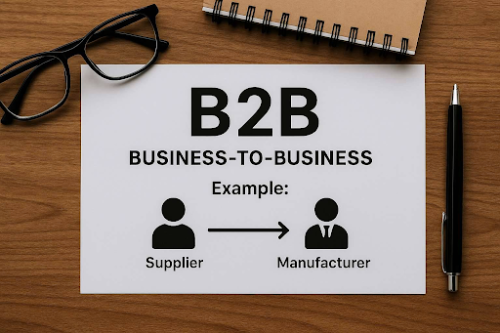
- Partnerships and B2B relationships: Collaborate with allied health professionals, community groups, and coordinators to build credibility and generate referrals.
Takeaway: By focusing on empathy and relationships, digital marketing for NDIS providers goes beyond promotion—it builds long-term trust.
Why Digital Marketing is No Longer Optional
As competition grows, those who invest in digital marketing for NDIS providers will have the advantage. The sector is becoming more data-driven, participant-focused, and transparent. By leveraging online tools, providers can reach the right people, at the right time, with the right message.
- Visibility: Be present where participants are searching.
- Efficiency: Digital campaigns are measurable, trackable, and adaptable.
- Growth: A strong strategy ensures continuous lead generation and client retention.
Final Thought: Digital marketing isn’t just an option for NDIS providers—it’s the bridge between your services and the people who need them most.
Conclusion
In an environment where NDIS participants are spoilt for choice, digital marketing for NDIS providers is essential to stand out. By building a strong online presence, generating leads through advertising, and focusing on customer-centric strategies, you can remain visible, competitive, and trustworthy.
At Ptech, we help NDIS providers craft tailored strategies that combine visibility with compassion. If you’re ready to grow your impact and reach more participants, let’s talk about creating your digital marketing roadmap.